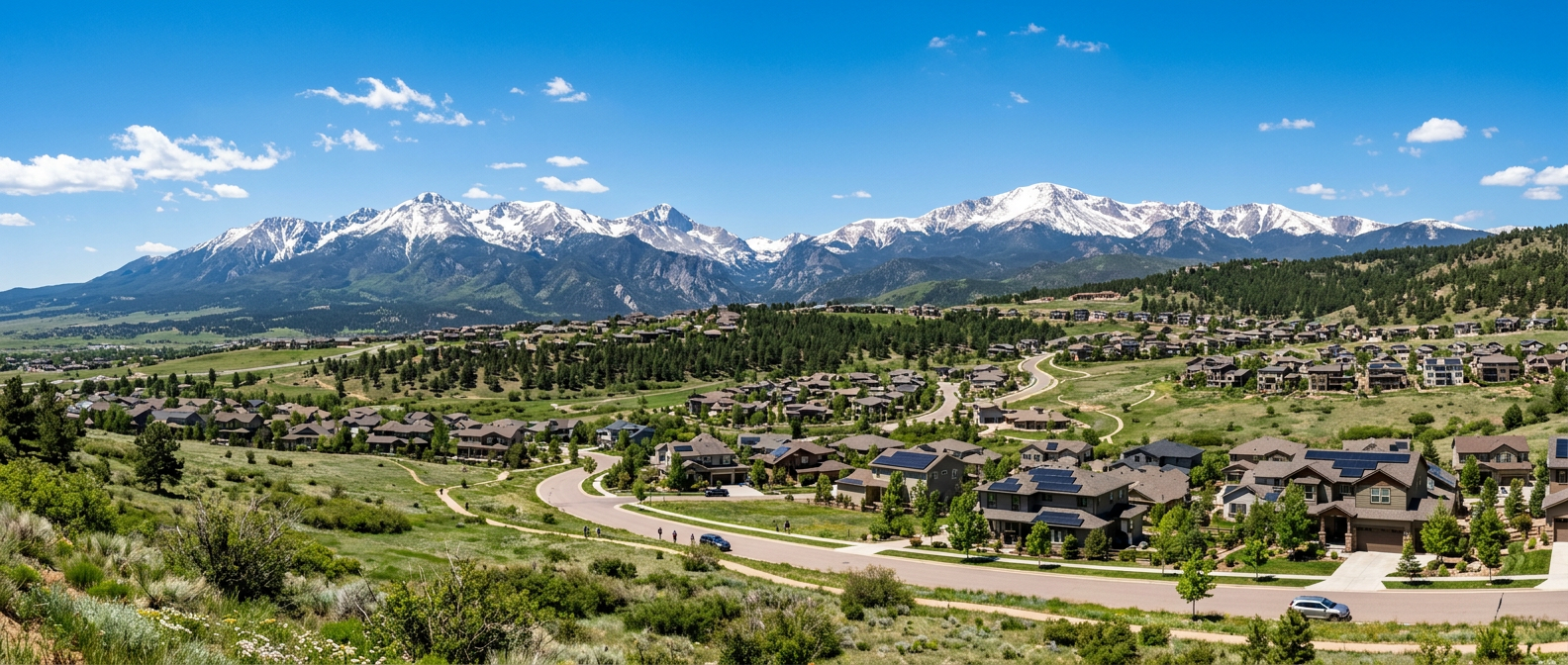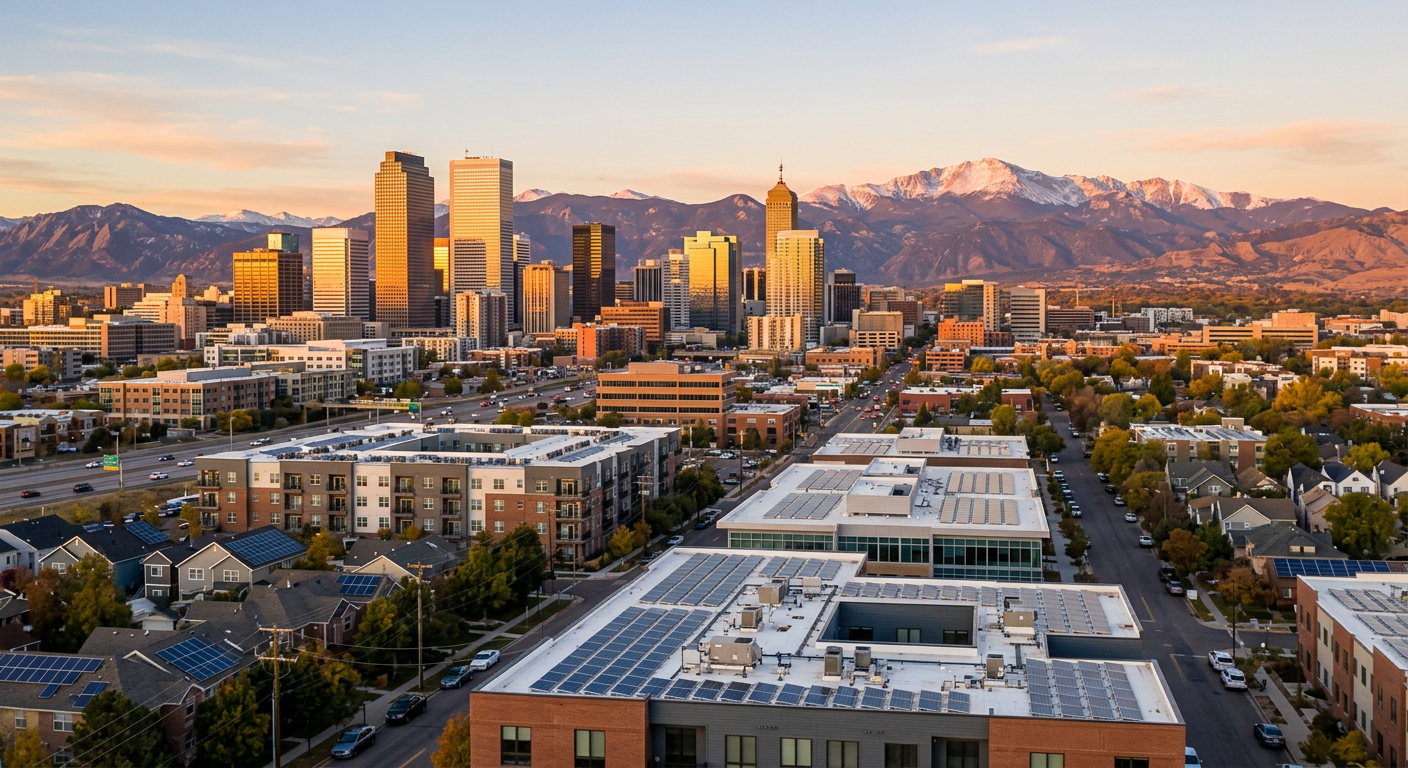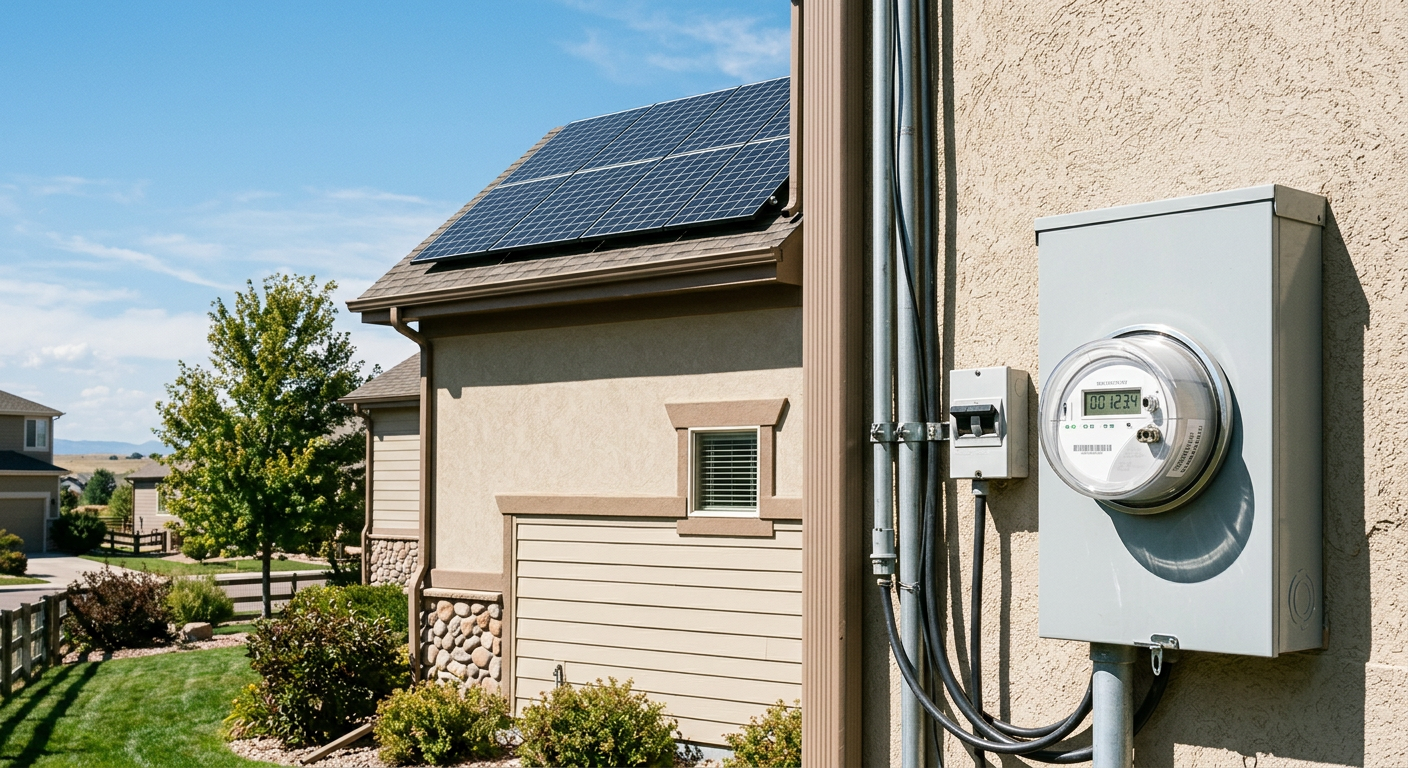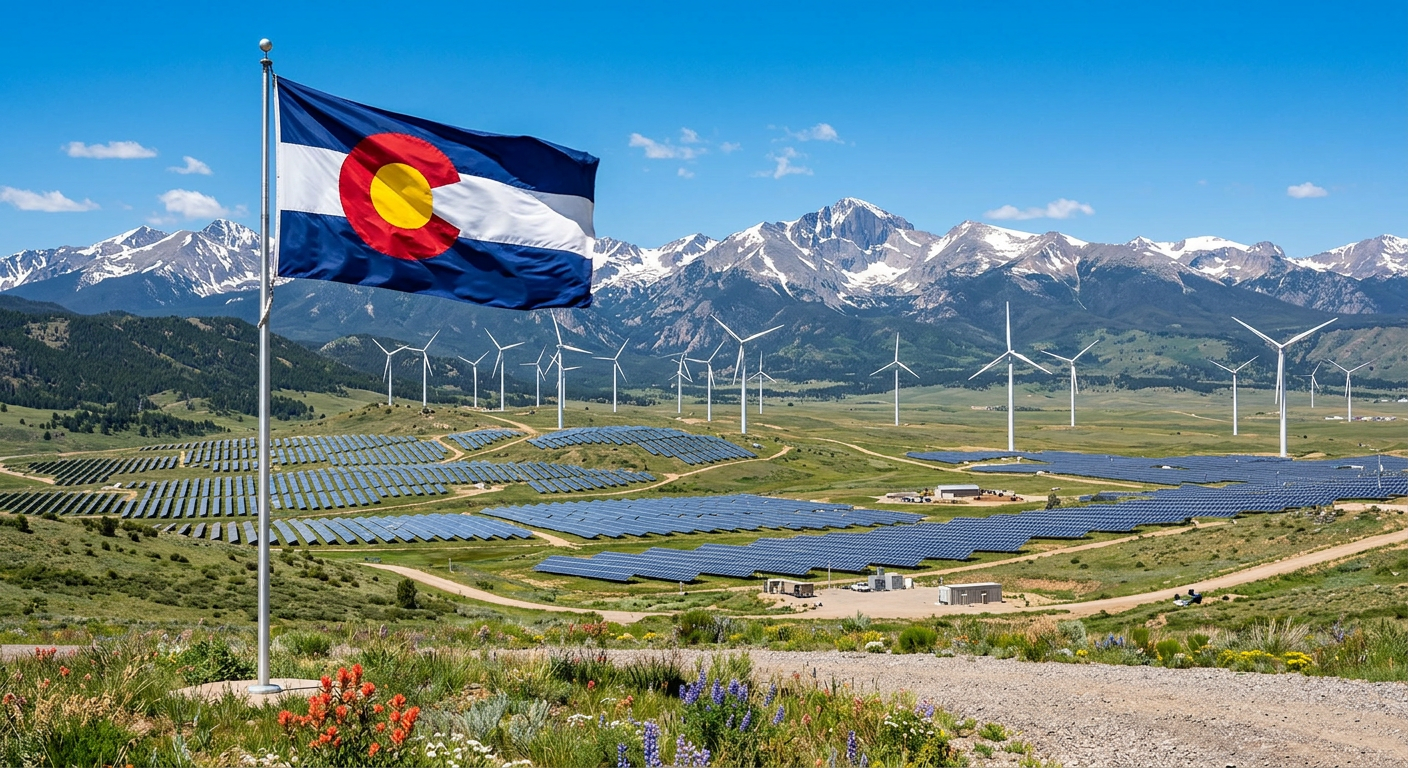
Colorado has positioned itself as a national leader in clean energy policy. From one of the first voter-approved renewable energy standards in the country to aggressive 100 percent clean electricity targets, the state's energy policies create a favorable environment for solar adoption. Understanding these policies helps homeowners make more informed decisions about solar investments and provides context for where electricity rates and incentive programs are headed.
Colorado's Renewable Energy Standard: A Brief History
2004: The Beginning
Colorado became the first state in the nation to adopt a renewable energy standard (RES) through a ballot initiative. Amendment 37, approved by voters in 2004, required the state's largest utilities to generate 10 percent of their electricity from renewable sources by 2015.
2007 and 2010: Raising the Bar
The Colorado legislature increased the RES to 20 percent by 2020 for investor-owned utilities (primarily Xcel Energy) and set lower targets for rural electric cooperatives and municipal utilities.
In 2010, the target was raised again to 30 percent by 2020 for investor-owned utilities — one of the most aggressive standards in the country at the time.
2013: Distributed Generation Carve-Out
The legislature added a specific requirement that a portion of the renewable energy standard be met through distributed generation — small-scale solar installations like rooftop residential systems. This distributed generation carve-out directly supported residential solar adoption by creating utility demand for rooftop solar.
2019: The Clean Energy Plan
House Bill 19-1261 established greenhouse gas reduction goals:
- 26 percent reduction by 2025 (from 2005 levels)
- 50 percent reduction by 2030
- 90 percent reduction by 2050
This legislation also directed the Colorado Air Quality Control Commission to develop rules to meet these targets, creating regulatory pressure for continued clean energy investment.
2019: 100% Clean Energy for Xcel
Senate Bill 19-236 required Xcel Energy — Colorado's largest utility serving about 60 percent of the state's electricity customers — to achieve:
- 80 percent reduction in carbon emissions by 2030 (from 2005 levels)
- 100 percent clean electricity by 2040
This made Colorado one of the first states to set a binding 100 percent clean electricity target for its largest utility.
2023: Strengthening the Standards
Additional legislation has continued to strengthen Colorado's clean energy framework, including requirements for medium and large commercial buildings to meet energy performance standards and expanded incentive programs for residential clean energy adoption.
What These Standards Mean for Solar Homeowners
Continued Strong Incentive Programs
Colorado's aggressive clean energy targets require massive investment in renewable energy. Utilities need to add gigawatts of clean generation capacity to meet their obligations. This creates structural support for solar incentive programs:
-
Net metering protection: As long as Colorado needs distributed solar to meet its targets, net metering policies are likely to remain favorable. While the specifics may evolve, the state's political commitment to rooftop solar provides a degree of policy stability that some other states lack. For current net metering details, see our Xcel Energy net metering guide.
-
Utility rebate programs: Utilities may offer rebate programs to encourage customer-sited solar, helping them meet distributed generation requirements. Check current rebate availability during your solar consultation.
-
State tax exemptions: Colorado's sales tax exemption on solar equipment and property tax exemption on solar home value additions reflect the state's commitment to removing barriers to adoption. These exemptions are detailed in our Colorado solar incentives guide.
Electricity Rate Trajectory
The transition to clean energy requires massive infrastructure investment by utilities. Xcel Energy alone plans to invest billions in renewable generation, transmission, and grid modernization to meet its 2040 target. These investments are funded through customer rates.
What this means for your electricity bill:
-
Rates will likely continue rising as utilities invest in clean energy infrastructure. Xcel Energy has historically raised residential rates by 2 to 4 percent per year, and the pace of rate increases may accelerate during the transition.
-
Solar becomes more valuable over time. Every kilowatt-hour your solar system produces replaces grid electricity at whatever the current rate is. As rates rise, the value of your solar production increases. A system that saves $2,000 per year today may save $3,000 or more per year in a decade if rates increase as projected.
-
Locking in your energy cost through solar is increasingly attractive as utility rates become less predictable. Your solar system's cost is fixed at the time of installation; grid electricity costs are not. Read our detailed analysis in Is Solar Worth It?
Grid Modernization and Solar Integration
Colorado's clean energy transition includes grid modernization efforts that benefit solar homeowners:
- Smart grid technology enables better integration of distributed solar
- Battery storage incentives may expand as the grid needs more flexible resources
- Time-of-use rate structures are evolving to better reflect the value of energy at different times
- Vehicle-to-grid (V2G) technology may eventually allow electric vehicles to serve as grid resources
How Colorado Compares to Other States
Colorado's renewable energy policies rank among the most aggressive in the country, particularly for a state that is not traditionally considered part of the "green state" bloc:
| State | Clean Energy Target | Largest Utility Target |
|---|---|---|
| Colorado | 100% clean by 2040 (Xcel) | 100% by 2040 |
| California | 100% clean by 2045 | 100% by 2045 |
| New York | 100% zero-emission by 2040 | 70% renewable by 2030 |
| Washington | 100% clean by 2045 | 100% by 2045 |
| Virginia | 100% clean by 2050 | 100% by 2045 |
Colorado's 2040 target for Xcel Energy is among the earliest in the nation, reflecting the state's ambition and the political support for clean energy across the Colorado electorate.
What Colorado Does Well
- Bipartisan support: Colorado's clean energy policies have enjoyed support across party lines, reducing the risk of dramatic policy reversals
- Distributed generation emphasis: The state specifically supports rooftop solar, not just utility-scale projects
- Consumer protections: Strong net metering, property tax exemption, and HOA protections for solar
- Workforce development: Investment in training solar installers and electricians to meet growing demand
The Role of Distributed Solar
Colorado's clean energy targets cannot be met through utility-scale solar and wind alone. Distributed generation — rooftop solar and small commercial systems — plays a critical role:
Grid Benefits of Rooftop Solar
Rooftop solar reduces the need for:
- New transmission lines (the electricity is generated where it is consumed)
- Peak generation capacity (solar production partially coincides with peak demand)
- Grid congestion (distributed generation reduces load on local distribution infrastructure)
These grid benefits are increasingly recognized by regulators and utilities. As Colorado moves toward 100 percent clean electricity, the value of distributed solar may actually increase.
Community Solar
Colorado has been a national leader in community solar — shared solar facilities that allow renters, condo owners, and homeowners with unsuitable roofs to benefit from solar energy. Community solar gardens are subscribed by multiple customers who receive credits on their utility bills.
While community solar is outside the scope of this rooftop solar guide, it represents another way Colorado's policies support broad solar access. For homeowners who can install rooftop solar, however, owning your own system provides better economics and more control.
Future Policy Outlook
Near-Term (2026-2030)
- Xcel Energy accelerating coal plant retirements and building new renewable capacity
- Potential expansion of battery storage incentive programs
- Possible evolution of net metering toward "net billing" or "value of solar" frameworks
- Continued strong federal tax credits (30 percent through 2032)
Medium-Term (2030-2035)
- Xcel approaching 80 percent carbon reduction target
- Increased electrification of heating and transportation, raising electricity demand
- Potential for more sophisticated rate structures (real-time pricing, demand charges)
- Growing role for battery storage as grid balancing resource
Long-Term (2035-2040)
- Final push toward 100 percent clean electricity for Xcel
- Mature distributed energy market with solar, storage, and EV integration
- Grid likely requiring significant flexibility from distributed resources
- Solar homeowners with battery storage becoming grid participants, not just consumers
What This Means for Your Solar Decision
Colorado's policy trajectory strongly supports going solar now:
-
Current incentives are excellent. The 30 percent federal tax credit, Colorado tax exemptions, and favorable net metering create a strong financial case.
-
Locking in now protects against policy changes. While Colorado's policies are solar-friendly, specific programs (especially net metering rates) may evolve. Installing now typically grandfathers you into current programs.
-
Rising rates improve solar economics over time. As Colorado invests in clean energy infrastructure, electricity rates will likely rise. Your solar system's value increases in lockstep.
-
Battery storage is becoming more practical. Colorado's evolving rate structures and grid needs make battery storage increasingly valuable — if not today, then within a few years.
-
You are contributing to Colorado's clean energy goals. Every rooftop solar installation moves Colorado closer to its 100 percent clean electricity target. Your individual contribution matters.
For a comprehensive overview of going solar in the state, see our complete Colorado solar guide.
Take Advantage of Colorado's Solar-Friendly Environment
Colorado's renewable energy standards create one of the best regulatory environments for residential solar in the country. Combined with the state's exceptional sunshine and the federal tax credit, there has never been a better time to go solar in Colorado.
Use our solar calculator to see what solar can do for your specific home, or call (303) 484-1410 to schedule a free consultation with ProGreen Solar. We stay current on all Colorado energy policies and incentive programs to ensure you get the maximum benefit from your solar investment.