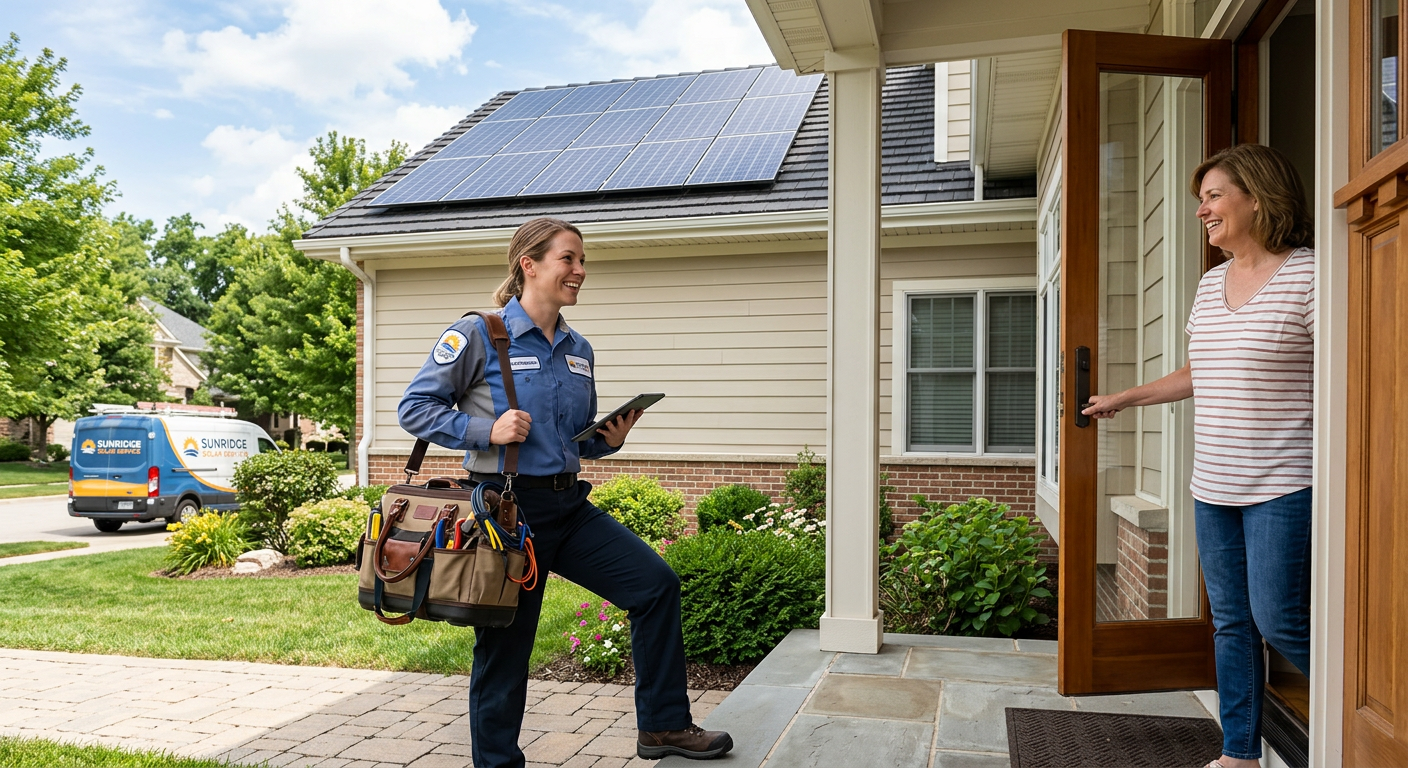
Solar panels are remarkably low-maintenance, but they are not zero-maintenance. Dust, pollen, bird droppings, and other debris accumulate on panel surfaces over time, reducing the amount of sunlight reaching the solar cells and decreasing your system's electricity production.
In Colorado, the combination of arid conditions, construction dust, wildfire smoke residue, spring pollen, and occasional mud-depositing storms means that panel cleaning deserves attention. The good news is that cleaning is simple, inexpensive, and makes a measurable difference in your system's output.
At ProGreen Solar, we monitor hundreds of systems across Colorado and can see the production impact of dirty panels — and the immediate improvement after cleaning. This guide covers everything you need to know about keeping your panels performing at their best.
How Much Production Do Dirty Panels Lose?
The impact of soiling varies dramatically based on conditions, tilt angle, and time since the last cleaning:
| Soiling Level | Typical Production Loss | Common Cause |
|---|---|---|
| Light dust | 2-5% | Normal atmospheric dust accumulation |
| Moderate soiling | 5-15% | Extended dry periods, construction nearby, pollen season |
| Heavy soiling | 15-25% | Bird droppings, tree sap, post-wildfire ash, mud storms |
| Localized obstruction | 10-40% (affected panel) | Bird droppings covering cells, leaves stuck on panels |
For a 7 kW system producing approximately $1,500 per year in electricity savings, a 10 percent soiling loss costs you $150 annually. If professional cleaning costs $150 to $250, the economics justify cleaning once or twice per year.
The Hotspot Risk
Beyond simple shading, heavy soiling creates a more insidious problem: hotspots. When one cell in a panel is shaded by debris (like a bird dropping) while other cells are in full sun, the shaded cell can become a resistive load rather than a generator. This causes localized heating that can damage the cell over time.
Modern panels with bypass diodes mitigate this risk by routing current around shaded cells, but persistent heavy soiling still degrades panel health over time. Systems with microinverters or power optimizers handle partial shading better because each panel operates independently.
When to Clean Your Panels
Regular Schedule
For most Colorado homeowners, we recommend cleaning panels:
Once in late spring (May) — After pollen season deposits a yellow-green film on panels. Colorado's cottonwood, pine, and grass pollen is particularly heavy in April and May. A spring cleaning restores full production before the high-production summer months.
Once in early fall (September) — After the summer dust accumulation, wildfire smoke season, and before winter snow begins providing natural cleaning. This ensures maximum production during the shoulder season.
Situational Cleaning
Clean your panels outside the regular schedule when:
- After wildfires — Smoke and ash deposits can significantly reduce production. After major wildfire events along the Front Range or in the mountains, check panels for visible ash residue.
- After construction nearby — New construction, road work, or demolition generates significant dust that settles on panels.
- After mud storms — Colorado's spring storms occasionally deposit mud (from raindrops carrying dust). Mud dries into a stubborn film that rain alone does not remove.
- Visible bird droppings — If your panels are under or near a bird perch, droppings accumulate rapidly. Clean promptly to avoid hotspot damage.
- Monitoring shows production drop — If your monitoring system shows unexplained production decline, soiling is the first thing to investigate.
When NOT to Clean
- During winter — Snow naturally slides off tilted panels and provides a washing effect. Do not climb on a snow-covered or icy roof. Let snow melt naturally.
- During peak sun hours — Cleaning panels when they are hot (midday in summer) can cause thermal shock from cold water. Clean in the morning or evening when panels are cooler.
- During active lightning storms — This should be obvious, but it bears stating. Never work on your roof during a thunderstorm.
DIY Cleaning Methods
What You Need
- Garden hose with a spray nozzle (standard pressure, not a pressure washer)
- Soft-bristle brush or squeegee on an extension pole (available at hardware stores)
- Bucket of warm water (optional — hose water alone is usually sufficient)
- Mild dish soap (only if needed for stubborn spots — one teaspoon per gallon)
- Soft cloth or microfiber pad for stubborn spots
What to NEVER Use
- Pressure washer — High-pressure water can crack glass, break seals, and force water into junction boxes. Never use a pressure washer on solar panels.
- Abrasive cleaners or pads — Scrubbing pads, Brillo pads, or abrasive cleaners scratch the glass surface, permanently reducing light transmission.
- Harsh chemicals — Ammonia, bleach, strong detergents, and solvents can damage anti-reflective coatings and frame seals.
- Hard or mineral-laden water without rinsing — Hard water leaves mineral deposits when it dries. If your water is hard, either use softened water or squeegee panels dry after rinsing.
Step-by-Step DIY Cleaning
Step 1: Safety first. If your panels are on a single-story roof accessible from the ground with an extension pole, clean from the ground. If you must access the roof, use proper ladder safety, wear non-slip shoes, and never walk on the panels. For steep or multi-story roofs, hire a professional.
Step 2: Rinse with plain water. Start by spraying panels with a garden hose to remove loose dust and debris. This alone removes 80 percent or more of soiling on lightly dirty panels. Spray from the top of the panel downward so debris flows off the bottom edge.
Step 3: Soft-brush scrub (if needed). For stubborn spots — bird droppings, tree sap, dried mud — use a soft-bristle brush on an extension pole with plain water. Gently scrub the affected area. Do not apply heavy pressure.
Step 4: Soap for resistant deposits (if needed). If plain water and brushing do not remove the deposit, mix one teaspoon of mild dish soap per gallon of warm water. Apply with the soft brush, scrub gently, and rinse thoroughly. Do not leave soap residue — it attracts more dirt.
Step 5: Final rinse. Rinse all panels thoroughly with clean water. If your water is hard, squeegee panels dry to prevent mineral spots.
Step 6: Check your monitoring. After cleaning, check your monitoring app over the next few days. You should see a measurable production increase — typically 5 to 15 percent if the panels were moderately soiled.
Best Time of Day
Early morning (before 9 AM) is the ideal time to clean panels:
- Panels are cool, avoiding thermal shock from cold water
- Dew may have softened overnight deposits
- You can observe the production improvement during the day
- Lower risk of sunburn for the person cleaning
Professional Cleaning
When to Hire a Professional
- Multi-story homes where roof access is dangerous
- Steep roof pitches (above 7/12)
- Large systems (20+ panels) where DIY is time-consuming
- Stubborn soiling requiring specialized equipment
- Annual maintenance cleaning combined with visual inspection
What Professional Cleaning Includes
A professional solar panel cleaning service typically provides:
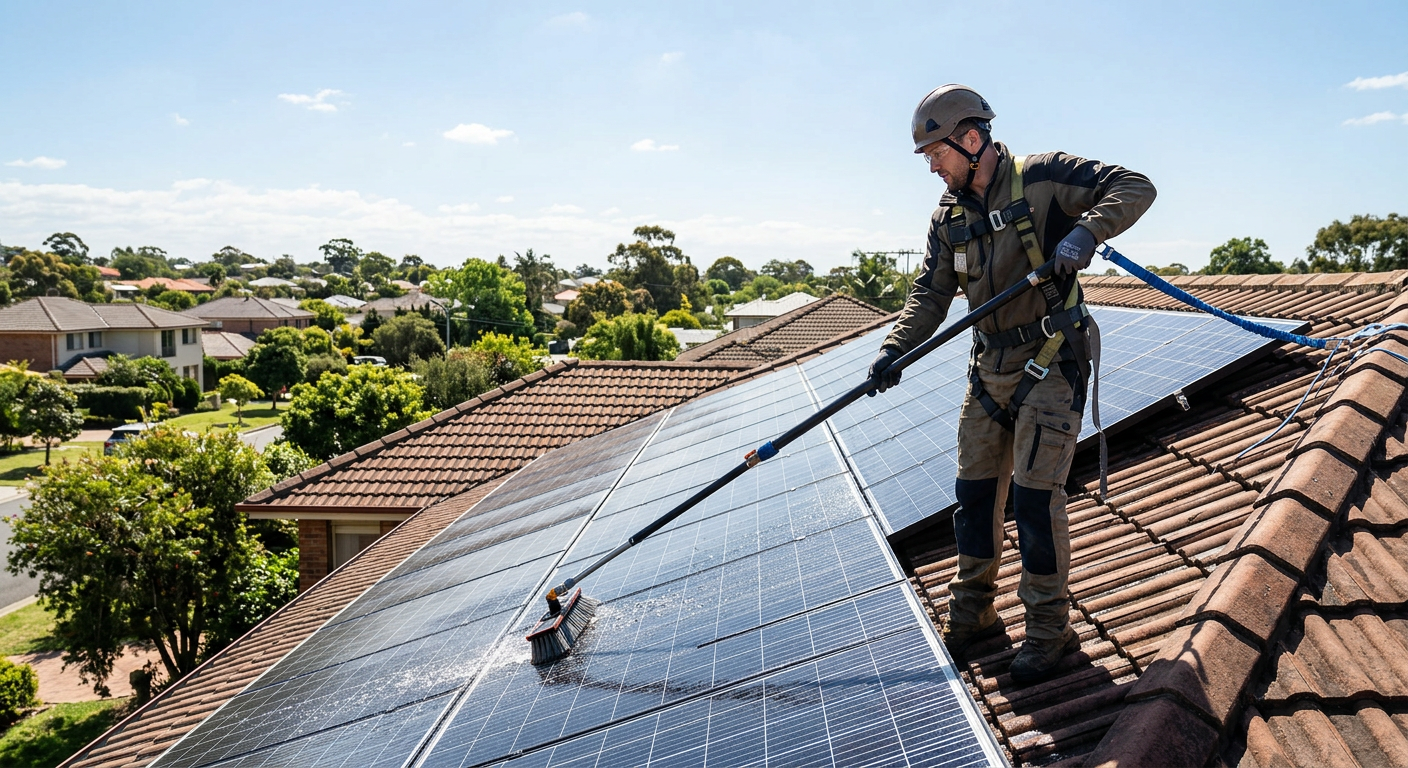
- Soft-brush and deionized water cleaning — Deionized water leaves no mineral residue, providing a spot-free finish that stays cleaner longer
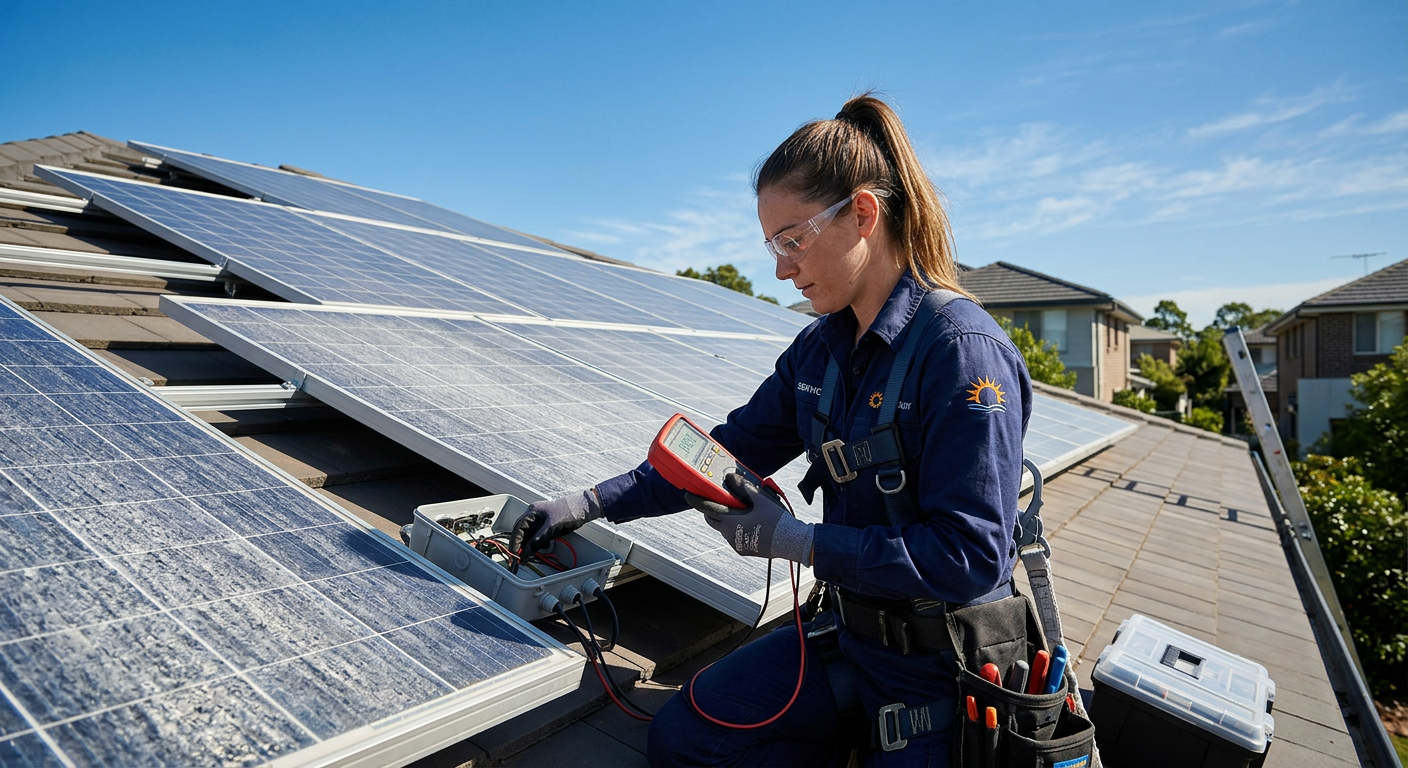
- Visual inspection — Checking for cracked glass, damaged frames, loose wiring, and other issues
- Production documentation — Before-and-after production comparison to quantify the cleaning benefit
- Roof inspection — Noting any roofing issues visible during access
- Critter guard check — Inspecting for animal nesting under panels
Cost
Professional solar panel cleaning in Colorado typically costs:
| System Size | Cleaning Cost |
|---|---|
| Small (10-15 panels) | $100-$175 |
| Medium (16-25 panels) | $150-$250 |
| Large (26-40 panels) | $200-$350 |
| Very large (40+ panels) | $300-$500 |
At these prices, professional cleaning once or twice per year is cost-effective for most homeowners — the production recovery typically exceeds the cleaning cost.
Choosing a Cleaning Service
Not all cleaning services understand solar panels. When hiring, verify that the company:
- Uses only soft brushes and low-pressure or no-pressure water
- Does not use harsh chemicals or abrasive tools
- Has experience specifically with solar panels (not just window cleaning)
- Carries appropriate insurance for rooftop work
- Can provide before-and-after production data
ProGreen Solar offers cleaning services for our customers and can recommend vetted cleaning providers in your area.
Colorado-Specific Soiling Factors
Altitude and Dust
Colorado's semi-arid climate means less rain to naturally wash panels compared to humid regions. In the Denver metro area, months can pass between significant rain events during summer and fall. During these dry periods, atmospheric dust steadily accumulates.
Higher altitude locations experience slightly less atmospheric dust but more intense UV radiation, which can bake deposits onto panel surfaces, making them harder to remove.
Pollen Season
Colorado's pollen season (April through June) deposits significant amounts of tree and grass pollen on solar panels. Cottonwood pollen is particularly problematic — its cottony fibers can accumulate in panel frame edges and drainage paths. Pine pollen creates a visible yellow-green film.
A single spring cleaning after pollen season can recover 5 to 10 percent of lost production heading into the highest-production months.
Wildfire Smoke
Colorado's wildfire seasons have been depositing increasing amounts of smoke and ash on solar panels. While smoke in the air reduces production by filtering sunlight (something cleaning cannot fix), the ash residue left on panel surfaces after smoke clears is removable and should be cleaned promptly.
After major wildfire events, we recommend cleaning panels within a week of smoke clearing, before ash deposits bond to the glass surface.
Hail
Colorado is in the nation's hail belt. While solar panels are tested to withstand 1-inch hailstones at 50+ mph, severe hailstorms can cause damage. After a significant hailstorm, inspect panels for cracks or chips. If you see damage, contact your installer for warranty assessment before cleaning, as cleaning cracked panels can worsen damage.
Snow
Snow on solar panels is generally not a problem in Colorado:
- Light snow slides off tilted panels as it melts, providing a washing effect
- Heavy snow insulates panels temporarily but clears within a day or two
- Snow removal is not recommended (risk of panel damage outweighs the few hours of lost production)
- Avalanche guards prevent snow from sliding off the roof edge dangerously
The exception is flat-mounted panels (on flat commercial roofs), where heavy snow can persist longer. Commercial systems may benefit from snow removal after major storms if safe access exists.
The Rain Cleaning Myth
A common misconception is that rain adequately cleans solar panels. In Colorado's climate, this is largely false:
- Colorado receives only 15 to 17 inches of rain per year (compared to 47 inches nationally)
- Light rain often creates muddy streaks rather than cleaning panels
- Dust and pollen build up faster than rain washes them away
- Rain does not remove bird droppings, tree sap, or baked-on deposits
In humid climates with frequent heavy rain, natural washing is more effective. In Colorado, manual cleaning is necessary for optimal production.
Building a Maintenance Routine
Here is the annual maintenance schedule we recommend for Colorado solar systems:
| Month | Action |
|---|---|
| March | Visual inspection from the ground after winter |
| May | Spring cleaning (post-pollen) |
| July | Check monitoring for production issues |
| September | Fall cleaning (pre-winter) |
| November | Visual check before winter |
| After events | Clean after wildfire ash, mud storms, or other unusual soiling |
This routine, combined with regular monitoring, ensures your system maintains peak production year-round. If you notice production drops or other issues, do not hesitate to investigate or call a professional.
Keep Your System Performing
Clean panels are productive panels. A simple cleaning routine — whether DIY or professional — protects your investment and ensures you capture every available kilowatt-hour of Colorado sunshine.
If you have questions about maintaining your solar system, or if you are not yet a solar owner and want to learn what maintenance involves, call ProGreen Solar at (303) 484-1410 or use our solar calculator to get started. We are here for the life of your system — from installation through decades of clean energy production.