Every solar panel produces direct current (DC) electricity, but your home runs on alternating current (AC). An inverter bridges that gap, converting DC to AC so your appliances, lights, and electronics can use the energy your panels generate. The inverter is arguably the most important component in your solar system because it determines how efficiently your panels' output reaches your home.
There are two primary approaches to solar inversion: microinverters and string inverters. Each has distinct advantages and trade-offs. Understanding the differences will help you make a smarter decision about your solar installation.
How String Inverters Work
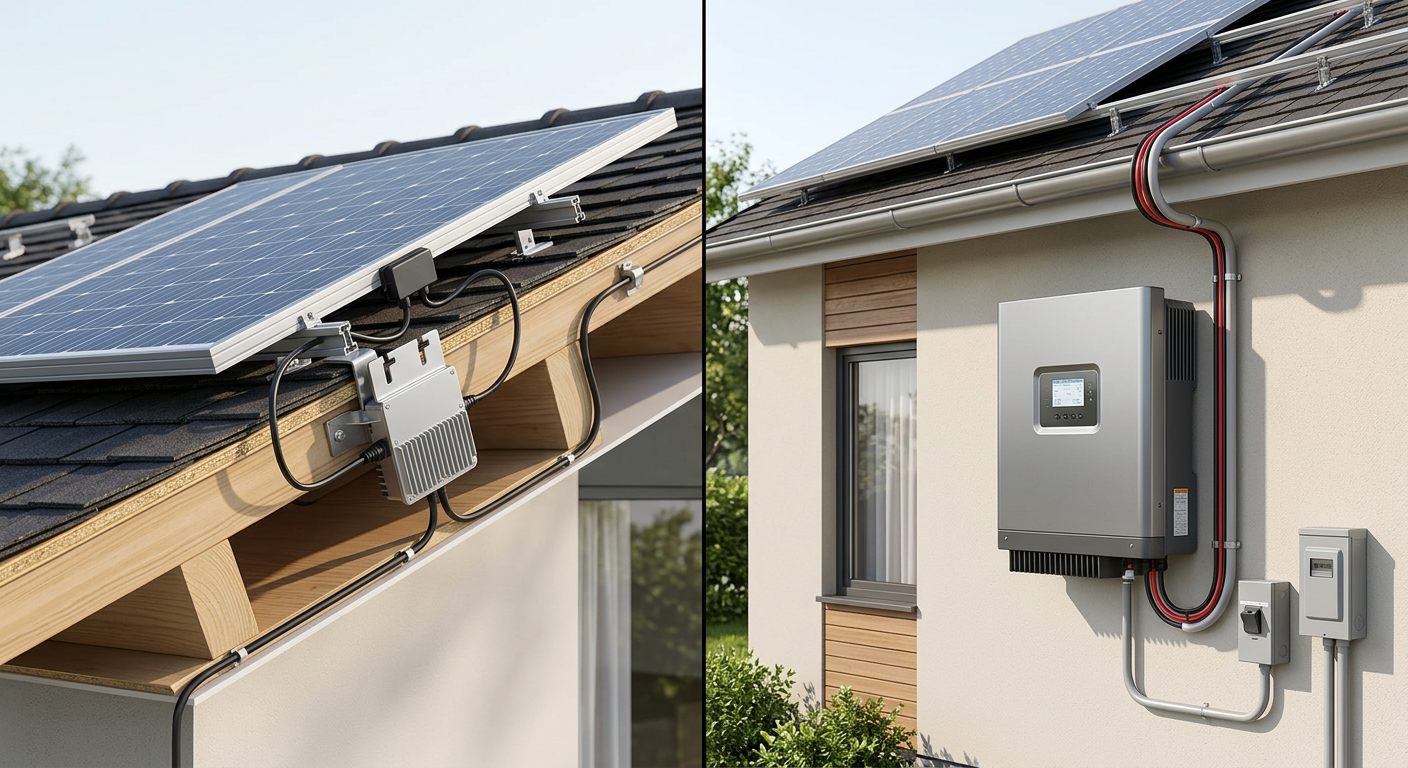
A string inverter is a single, centralized unit — typically about the size of a small suitcase — mounted on your wall near your electrical panel. Your solar panels are wired together in series (a "string"), and their combined DC output flows to this one inverter for conversion to AC.
Think of it like a chain of holiday lights wired in series: all the panels in a string share the same electrical current. The inverter receives the combined output and performs a single DC-to-AC conversion.
The Christmas Light Problem
The series wiring of string inverters creates what installers call the "Christmas light effect." When one panel in a string underperforms — due to shade, debris, bird droppings, or a manufacturing defect — it can drag down the entire string's output. The string operates at the level of its weakest panel.
Modern string inverters mitigate this with Maximum Power Point Tracking (MPPT) technology, and adding power optimizers to each panel can largely solve the problem. But the fundamental limitation of centralized conversion remains.
String Inverter Brands
The major string inverter manufacturers include SolarEdge (which pairs string inverters with panel-level power optimizers), SMA, Fronius, and various Chinese manufacturers. SolarEdge dominates the residential string inverter market in the United States, largely because their optimizer system addresses the shade problem.
How Microinverters Work
Microinverters take the opposite approach. Instead of one large inverter for the entire system, a small inverter is installed on or near each individual solar panel. Each microinverter converts that panel's DC output to AC independently.
This means every panel operates as its own independent power generator. If one panel is shaded, dirty, or malfunctioning, only that panel's output is affected. Every other panel continues producing at its maximum capacity.
The Leading Microinverter: Enphase
Enphase Energy dominates the microinverter market with over 60 percent market share in North American residential solar. Their latest IQ8 series microinverters offer efficiency ratings up to 97.5 percent and include the unique ability to provide limited solar power during grid outages even without a battery. Read our detailed Enphase IQ8 review for more on this feature.
Head-to-Head Comparison
Shade Performance
Winner: Microinverters
This is where microinverters shine — literally. In a system with partial shading, microinverters consistently outperform string inverters by 5 to 25 percent, depending on shade severity.
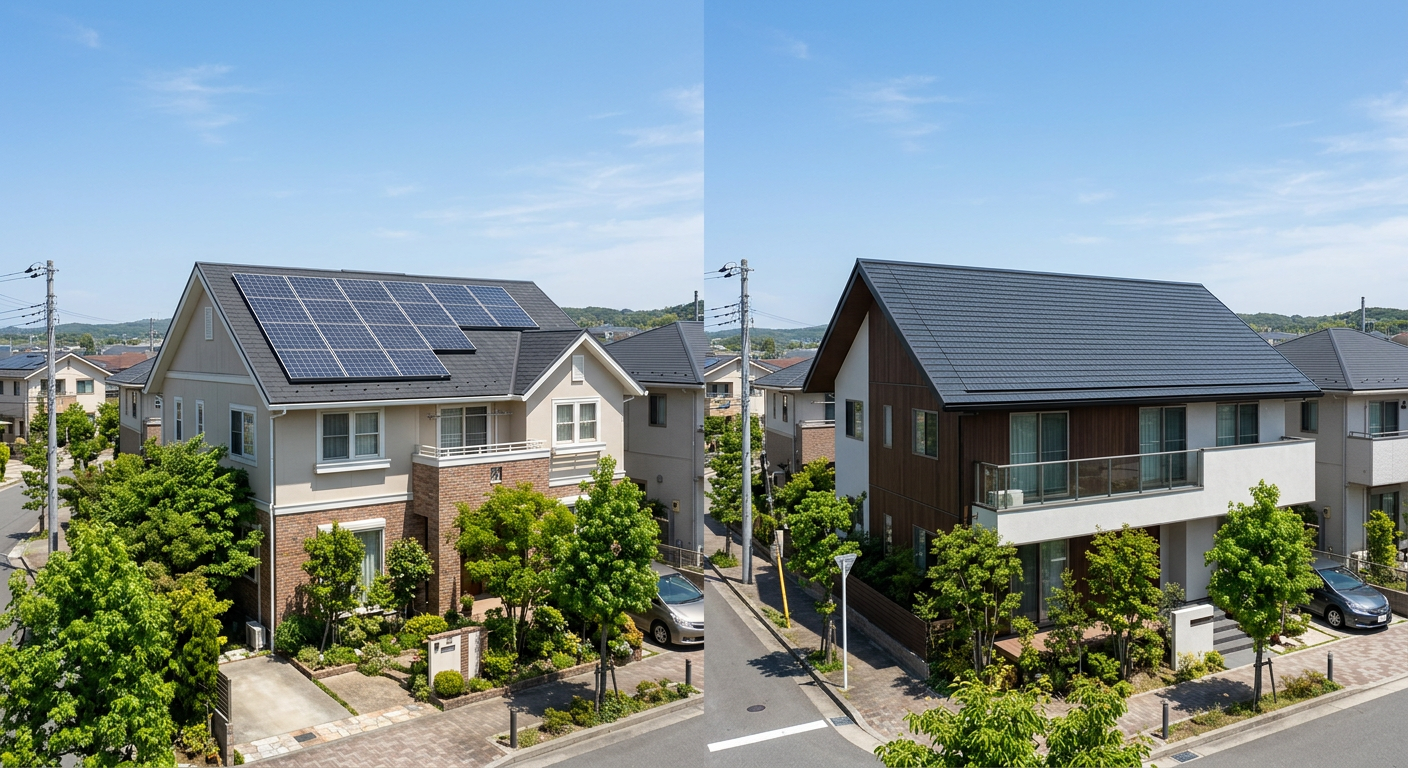
Consider a roof where a chimney shades two panels during morning hours. With a string inverter, those two shaded panels can reduce the entire string's output by 15 to 30 percent. With microinverters, only those two panels lose production. The remaining panels operate at full capacity.
For Colorado homes with trees, chimneys, vents, or neighboring structures casting shadows, this advantage can translate to hundreds of dollars per year in additional energy production.
String inverters paired with SolarEdge power optimizers narrow this gap significantly but still do not match microinverter performance in heavily shaded conditions. Optimizers allow each panel to reach its individual maximum power point, but the DC-to-DC-to-AC conversion adds a small efficiency loss.
System Efficiency
Winner: Tie (depends on conditions)
Under ideal conditions — no shading, consistent panel orientation, and uniform temperature — modern string inverters achieve peak efficiencies of 97 to 99 percent. Microinverters achieve 96.5 to 97.5 percent per unit.
However, those ideal conditions rarely exist on real rooftops. When you factor in shading, soiling, panel mismatch, and temperature variations, microinverter systems often produce more total energy over the course of a year. The National Renewable Energy Laboratory (NREL) has found that microinverter systems produce 2 to 5 percent more energy annually than string inverter systems in typical residential installations.
Reliability and Lifespan
Winner: Microinverters
String inverters typically last 10 to 15 years, meaning you will likely need at least one inverter replacement during the 25 to 30 year lifespan of your solar panels. Replacing a string inverter costs $1,500 to $3,000 including labor.
Enphase microinverters come with a 25-year warranty — matching the lifespan of the panels themselves. Because each microinverter operates independently, a single unit failure only affects one panel's output, not your entire system. And the failure rates are extremely low: Enphase reports annualized failure rates below 0.05 percent for their IQ series.
The counterargument is that microinverters are mounted on the roof, making replacement more labor-intensive if one does fail. However, given their low failure rates and long warranties, this is rarely a practical concern.
Panel-Level Monitoring
Winner: Microinverters
Both microinverter and optimizer-equipped string inverter systems offer panel-level monitoring, showing you the production of each individual panel through a smartphone app or web portal.
Microinverter monitoring (through Enphase's Enlighten platform) provides real-time AC output data from each panel. Because each microinverter measures AC output directly, the data is highly accurate. You can spot a dirty panel, a wiring issue, or an underperformer instantly.
SolarEdge's monitoring platform also provides panel-level data through their optimizers, and it is a capable system. However, because optimizers measure DC output before string-level conversion, the panel-level production numbers are modeled estimates rather than direct measurements.
Basic string inverters without optimizers offer only system-level monitoring — total production for the entire array. You can see how much energy the whole system produces but cannot identify individual panel issues without a site visit.
Cost
Winner: String inverters
String inverter systems generally cost less upfront. Here is a typical cost comparison for a 10 kW residential system:
- String inverter only: $1,500 to $2,500 for the inverter
- String inverter with optimizers (SolarEdge): $3,000 to $4,500 total
- Microinverters (Enphase IQ8): $3,500 to $5,000 total
The microinverter premium is typically $0.10 to $0.20 per watt, adding $1,000 to $2,000 to a typical residential system. However, this gap narrows when you compare microinverters to SolarEdge's optimizer-plus-inverter combination, which is the more appropriate comparison since both offer panel-level optimization and monitoring.
When you factor in the likely need to replace a string inverter after 12 to 15 years ($2,000+ including labor), the lifetime cost difference shrinks further. For a system expected to operate 25 to 30 years, microinverters may actually cost less over the system's full lifespan.
Safety
Winner: Microinverters
Microinverter systems carry AC voltage (240V) on the roof, while string inverter systems carry high-voltage DC (300 to 600V or higher). High-voltage DC is more dangerous to firefighters and first responders because DC arcs are harder to extinguish than AC arcs.
The National Electrical Code now requires rapid shutdown capability, which forces string inverter systems to include module-level electronics (like optimizers) that can de-energize the DC wiring. This has reduced the safety gap, but microinverters remain inherently safer because they eliminate high-voltage DC wiring entirely.
Battery Compatibility
Winner: Tie
Both system types work with home battery storage, but the integration differs:
Microinverter systems pair naturally with AC-coupled batteries like the Enphase IQ Battery. The entire system stays in the AC domain, simplifying installation and communication between components.
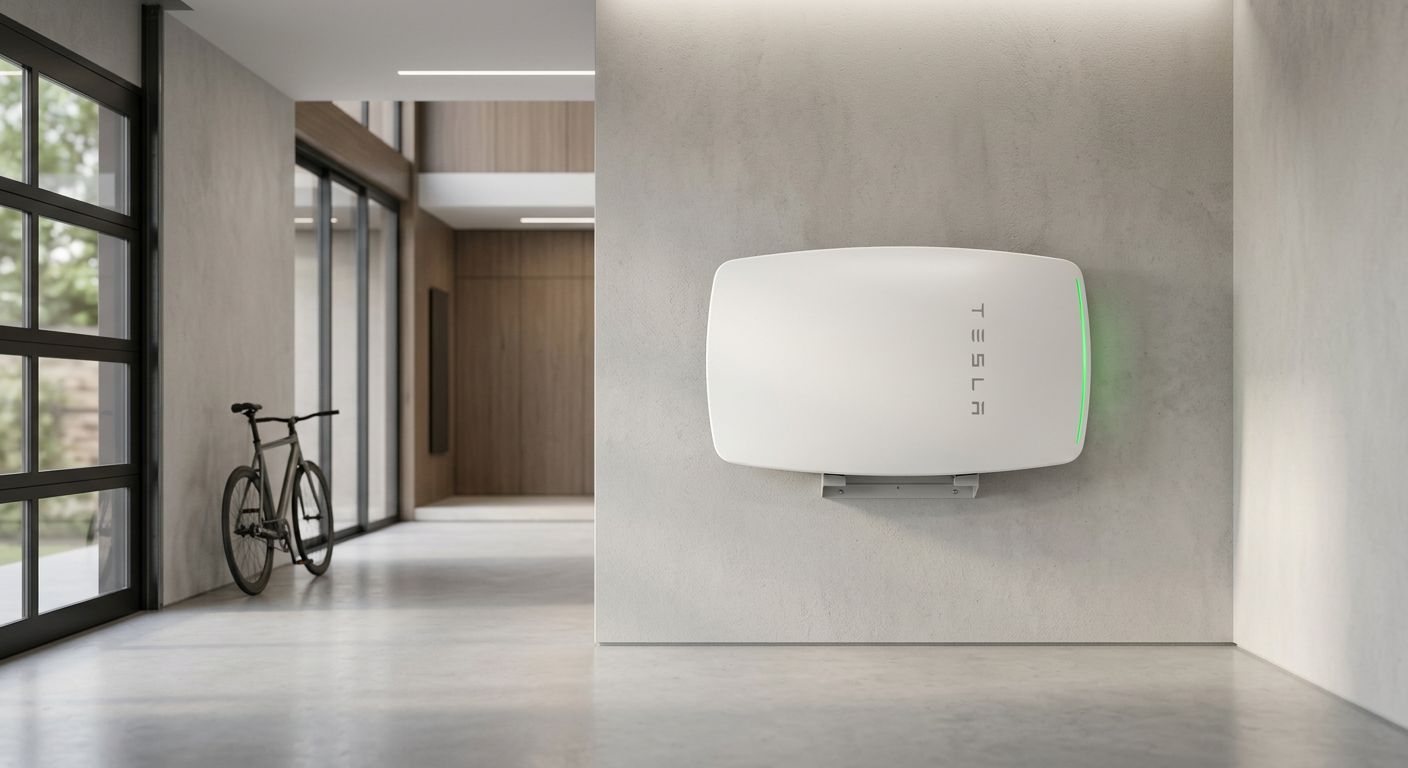
String inverter systems can use DC-coupled batteries (connected between the panels and inverter) or AC-coupled batteries. DC coupling is slightly more efficient because the energy does not need to be converted from DC to AC and back to DC for storage. The Tesla Powerwall 3 with its integrated inverter is a DC-coupled solution.
For more on battery options, see our home battery storage guide.
Expansion Flexibility
Winner: Microinverters
Adding panels to a microinverter system is straightforward: install new panels, attach microinverters, and connect them to the existing system. Each new microinverter-panel pair operates independently.
Expanding a string inverter system is more constrained. You need to ensure the additional panels match the voltage and current specifications of the existing string, and the string inverter must have sufficient capacity. In some cases, you need to replace the inverter entirely.
This matters if you plan to start small and expand later, or if you anticipate increased electricity needs from an electric vehicle, heat pump, or home addition. Read our guide on how solar panels produce electricity for more on system sizing considerations.
When to Choose Microinverters
Microinverters are the better choice when:
- Your roof has shading issues. Trees, chimneys, dormers, vents, or neighboring structures that cast shadows at any time of day.
- Your roof has multiple orientations. Panels facing south, east, and west perform differently, and microinverters let each panel optimize independently.
- You want maximum long-term value. The 25-year warranty and no inverter replacement costs provide peace of mind.
- You plan to expand your system. Adding panels later is simple and unconstrained.
- You want detailed monitoring. Tracking each panel's performance helps identify issues early.
- Safety is a priority. No high-voltage DC on the roof.
Colorado-Specific Considerations
Colorado homes often benefit from microinverters because:
- Many Colorado rooftops have complex geometries with multiple roof planes facing different directions.
- The Front Range receives abundant sunshine, but trees and mountain shadows can create partial shading.
- Snow accumulation clears unevenly — panels that clear first produce immediately without waiting for the entire string to be snow-free.
- Colorado's altitude means higher UV exposure, and microinverters distribute the thermal load rather than concentrating it in one unit.
When to Choose String Inverters
String inverters make sense when:
- Your roof is unshaded and faces one direction. With uniform conditions, the cost savings of a string inverter are straightforward.
- Budget is the primary constraint. The upfront cost savings of a basic string inverter system can be significant.
- You want DC-coupled battery storage. Some advanced storage configurations work more efficiently with string inverter architecture.
- You prefer a ground-mount system. Large, unshaded ground-mount systems with consistent panel orientation reduce the advantages of microinverters.
Our Recommendation
At ProGreen Solar, we install both microinverter and string inverter systems, and we recommend the best solution for each customer's specific situation. That said, for the majority of residential rooftop installations in Colorado, we recommend Enphase microinverters.
The combination of shade tolerance, panel-level monitoring, 25-year warranty, expansion flexibility, and enhanced safety makes microinverters the right choice for most homes. The cost premium over a comparable SolarEdge optimizer system is modest, and the long-term value proposition favors microinverters.
For large, unshaded ground-mount systems or commercial installations, string inverters with optimizers often make more sense from a cost perspective.
Get Expert Inverter Guidance
The right inverter choice depends on your roof, your shading conditions, your budget, and your long-term plans. Use our solar calculator to start exploring your options, or call (303) 484-1410 to speak with one of our solar designers. We will evaluate your roof, model your production with both inverter types, and recommend the best solution for your specific situation.