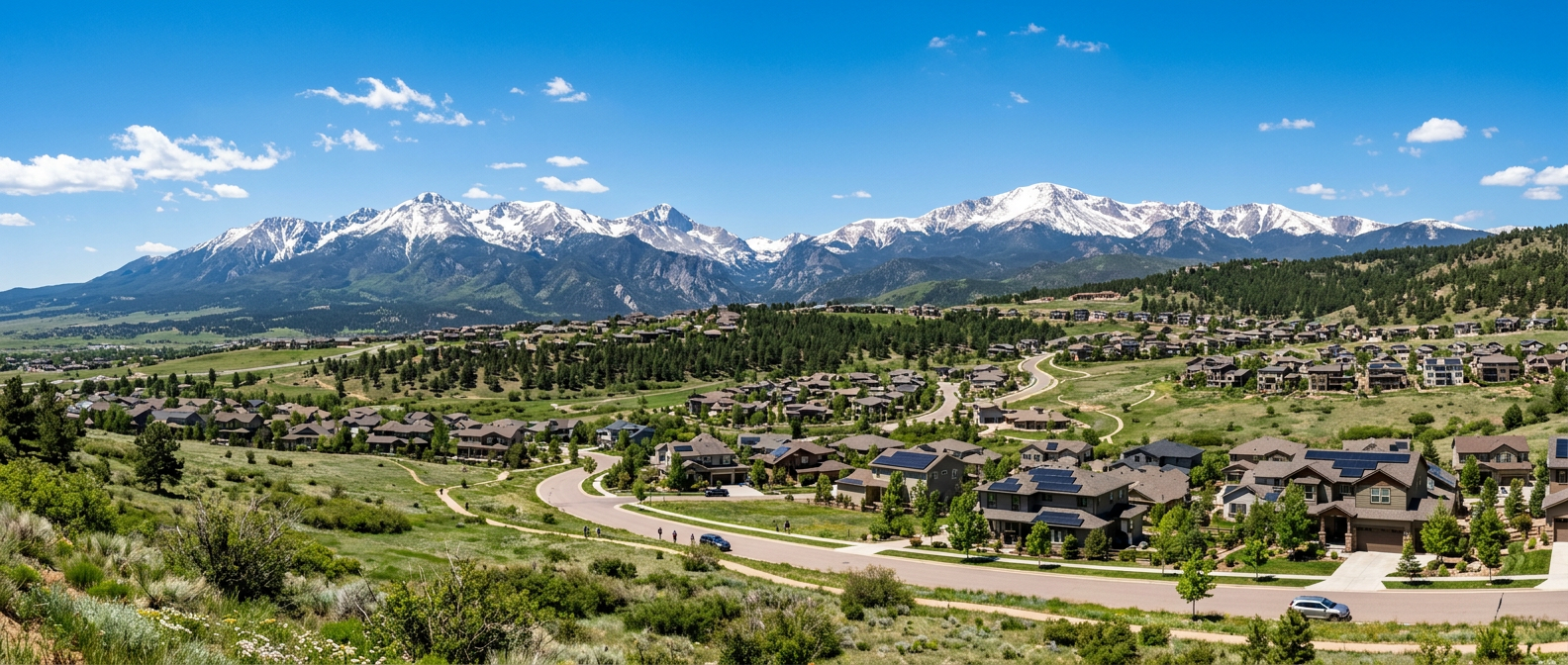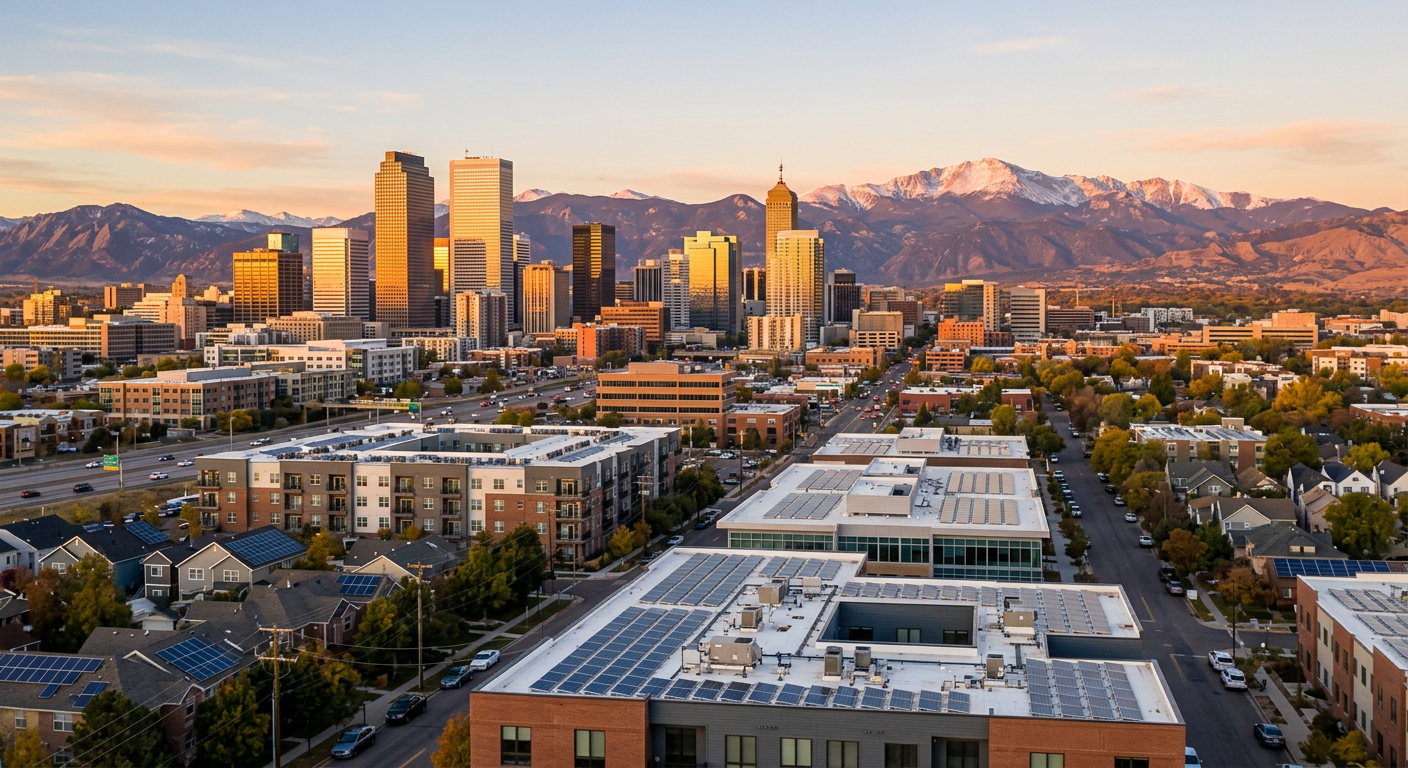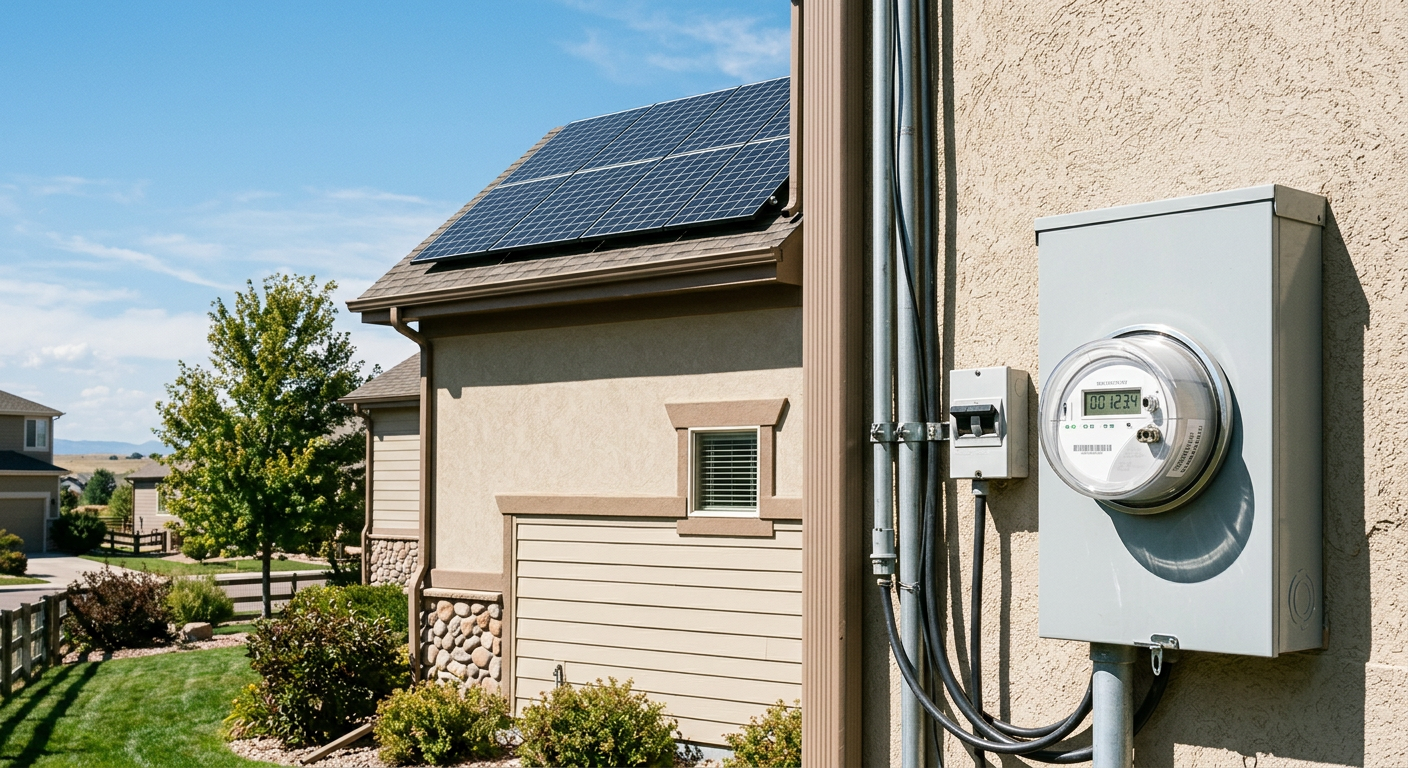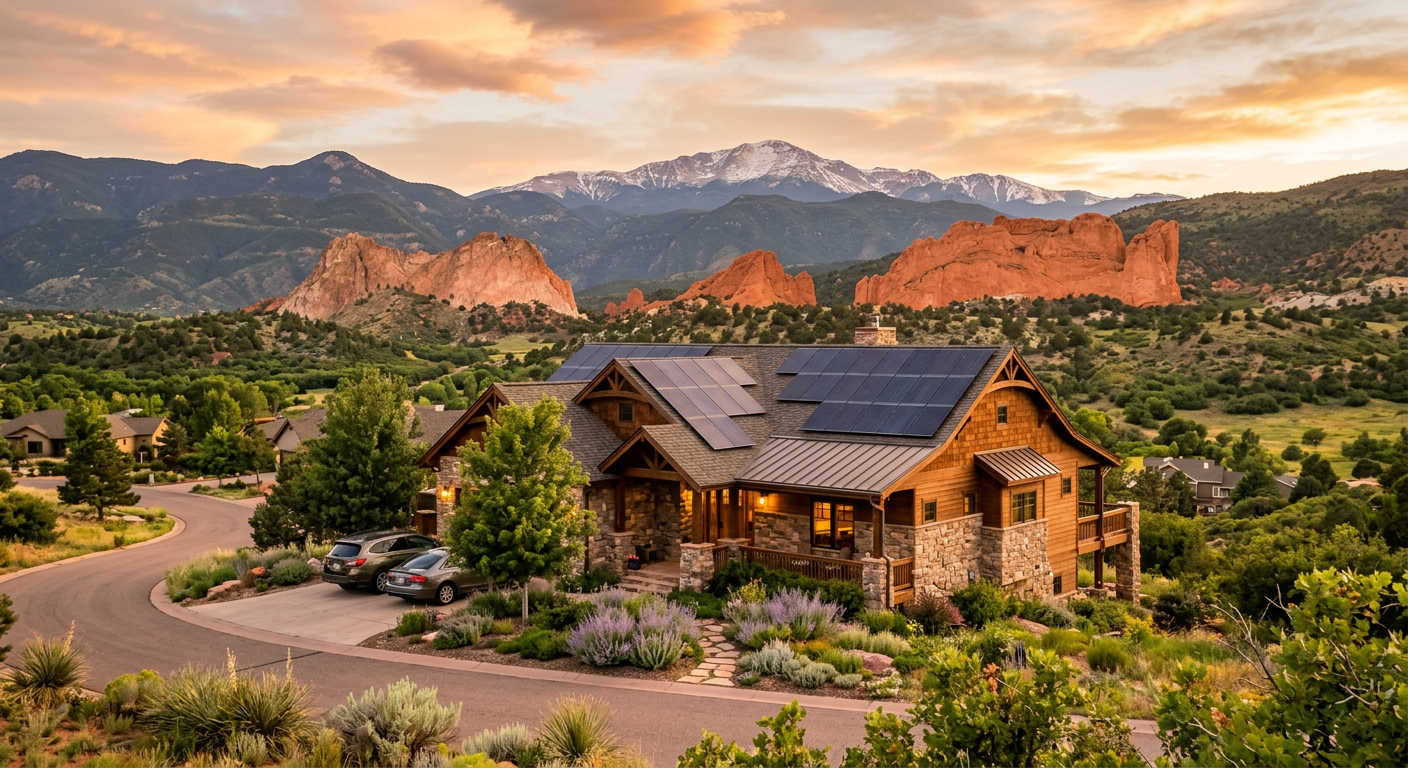
Colorado Springs is an exceptional location for residential solar energy. Situated at 6,035 feet with even more sunshine than Denver, the Springs combines intense solar radiation with a rapidly growing population of homeowners looking to reduce energy costs. The city's large military community adds another dimension, with solar providing particular benefits for active-duty service members and veterans.
However, Colorado Springs has one significant difference from Denver: its municipal utility, Colorado Springs Utilities (CSU), operates under different rules than Xcel Energy. Understanding CSU's specific policies is essential for Colorado Springs solar homeowners.
Colorado Springs Solar Resource
Exceptional Sunshine
Colorado Springs averages about 243 sunny days per year, with additional partly sunny days pushing the total clear-sky hours even higher than Denver in some metrics. Key solar data:
- Average peak sun hours: 5.93 per day (slightly higher than Denver's 5.87)
- Elevation: 6,035 feet (750 feet higher than Denver, meaning even more intense solar radiation)
- Annual solar irradiance: 5.6 kWh/m²/day (GHI)
The higher elevation of Colorado Springs compared to Denver translates to approximately 1.5 percent more solar radiation per square meter. Combined with the region's dry climate and clear skies, this makes the Springs one of the best solar locations in Colorado.
For more on how altitude affects solar production, see our Colorado climate and solar performance guide.
Local Production Data
Based on our Colorado Springs installations, typical production figures:
- Per kW installed: 1,575-1,725 kWh per year
- 8 kW system: 12,600-13,800 kWh per year
- 10 kW system: 15,750-17,250 kWh per year
These figures are roughly 2 to 3 percent higher than Denver metro installations of the same size, reflecting the Springs' higher elevation and solar resource.
Colorado Springs Utilities (CSU): How It Differs from Xcel
Municipal Utility
Colorado Springs Utilities is a municipally owned utility — owned by the City of Colorado Springs, not a private corporation like Xcel Energy. This means:
- CSU is regulated by the Colorado Springs City Council, not the Colorado Public Utilities Commission (PUC)
- Policies can change through city council action rather than state regulatory proceedings
- Rate structures, net metering rules, and incentive programs may differ from statewide norms
CSU Net Metering
CSU offers net metering for residential solar customers, but the specifics differ from Xcel Energy:
- Credit rate: CSU credits excess solar generation at a rate that may differ from the full retail rate. Check current CSU policies for the exact credit rate, as it has been subject to periodic review.
- System size cap: CSU limits residential solar systems to the capacity needed to offset your annual consumption, similar to Xcel's 120 percent rule.
- Monthly billing: Excess generation credits roll forward month to month.
- Annual settlement: Excess credits at the end of the annual period are typically settled at a reduced rate.
- Demand charges: CSU's residential rate structure includes some demand charge elements that can affect solar economics.
For comparison with Xcel's policies, see our Xcel Energy net metering guide.
CSU Solar Rebate Program
CSU has historically offered a solar rebate program for residential customers. The program specifics — including rebate amounts per watt, total program budget, and eligibility requirements — change periodically. Contact CSU or ask your installer about current rebate availability.
When available, CSU rebates stack with the federal solar tax credit and Colorado's state tax exemptions for additional savings.
CSU Electricity Rates
CSU residential electricity rates as of 2026 are competitive with Xcel Energy but structured differently:
- Energy charge: Approximately $0.11-$0.14 per kWh (tiered)
- Demand charge: A charge based on your peak 15-minute usage in the billing period
- Monthly service fee: Fixed monthly charge regardless of consumption
The demand charge component is important for solar homeowners. Even with solar panels meeting most of your energy needs, your demand charge is based on your peak usage — which typically occurs in the evening when solar is not producing. Battery storage can help reduce demand charges by providing stored energy during peak usage periods. See our battery storage guide for details.
Military Community Benefits
Colorado Springs is home to several major military installations, including the United States Air Force Academy, Peterson Space Force Base, Schriever Space Force Base, Fort Carson Army Post, and NORAD. The military community represents a significant portion of the Springs' population, and solar offers particular advantages for military families.
VA Solar Loan Programs
Veterans and active-duty service members can finance solar through VA-backed loan programs:
- VA Energy Efficient Mortgage (EEM): Allows veterans to include the cost of energy efficiency improvements, including solar, in their VA home loan. This can add up to $6,000 in solar costs to the mortgage at the VA's favorable interest rates.
- VA Cash-Out Refinance: Homeowners can refinance their existing VA loan and cash out equity to pay for solar installations.
- VA Interest Rate Reduction Refinance Loan (IRRRL): Under certain conditions, energy improvements can be included in a streamlined refinance.
Deployment and PCS Considerations
Military families face unique considerations:
- Deployment: Solar systems require minimal maintenance and continue generating savings while you are deployed. Monitoring is remote — you can check your system's performance from anywhere in the world through your phone.
- PCS (Permanent Change of Station): Solar increases home value, which benefits you when selling before a PCS move. Studies show homes with owned solar systems sell for $15,000 to $25,000 more. See our solar and home value analysis.
- Leases vs. ownership: For military families, owning your solar system (via cash or loan) is strongly preferred over leasing. Solar leases can complicate home sales and PCS moves because the lease must be transferred to the buyer or bought out. Read our solar financing comparison for details.
BAH and Electricity Savings
For military members receiving Basic Allowance for Housing (BAH), solar savings effectively increase the net value of your BAH. The electricity portion of your housing costs decreases, leaving more of your BAH for other expenses. At Colorado Springs BAH rates, this can be a meaningful monthly benefit.
Property Tax Exemption for Disabled Veterans
Colorado offers a property tax exemption for qualifying disabled veterans. Combined with the state's solar property tax exemption (which applies to all homeowners), disabled veterans may see additional tax benefits from solar installation.
Neighborhood Considerations
North and Northeast (Briargate, Northgate, Falcon)
These rapidly growing neighborhoods feature:
- Newer construction with large roof areas — excellent solar candidates
- Minimal tree shading in many subdivisions
- HOAs present but subject to Colorado's solar access law
- Excellent sun exposure on relatively flat terrain
West Side (Old Colorado City, Manitou Springs Area)
Neighborhoods near the mountains face:
- Mountain shadows — Pikes Peak and the foothills can shade rooftops, especially in winter when the sun is low
- Older housing stock — smaller roofs may require high-efficiency panels
- Tree cover — mature trees in established neighborhoods may create shade. Microinverters are essential here.
Central (Downtown, Old North End)
Historic neighborhoods with character:
- Complex rooflines — Victorian and Craftsman homes may have multiple small roof planes
- Mature tree canopy — shade analysis is critical
- Potential historic district considerations — check local guidelines, though Colorado law protects solar rights
South (Fort Carson Area, Security-Widefield)
Military-adjacent neighborhoods:
- Mix of older and newer homes — varying roof conditions
- Good sun exposure — generally flatter terrain with fewer trees
- Many military families — strong community support for energy savings
- Some homes on IREA rather than CSU — check your utility provider
East (Powers Corridor, Stetson Hills)
Rapidly growing eastern suburbs:
- Newest construction with modern, solar-friendly roof designs
- Large homes with ample roof space for bigger systems
- Minimal shading in young neighborhoods
- CSU service territory for most residents
Hail Considerations for Colorado Springs
Colorado Springs sits in the southern portion of Colorado's hail alley. Severe hailstorms strike the area regularly during late spring and summer, occasionally producing hailstones larger than golf balls.
Panel Durability
All quality solar panels meet IEC 61215 standards for 1-inch hail at 52 mph. For Colorado Springs, we recommend panels with enhanced hail testing and strong tempered glass. Our preferred panels have withstood the severe storms that have damaged roofs and vehicles across the Springs.
Insurance
Standard homeowner's insurance typically covers solar panel damage from hail, just as it covers roof damage. Verify your coverage limits and deductible with your insurance provider before installation. Many insurance companies in Colorado are experienced with solar panel claims.
For comprehensive hail information, see our hail and solar panels guide.
Colorado Springs Solar Costs
System Pricing
Colorado Springs solar costs are similar to Denver metro pricing:
| System Size | Gross Cost | After 30% Tax Credit |
|---|---|---|
| 6 kW | $15,000-$19,500 | $10,500-$13,650 |
| 8 kW | $20,000-$26,000 | $14,000-$18,200 |
| 10 kW | $25,000-$32,500 | $17,500-$22,750 |
Installation costs may vary slightly from Denver due to travel distances and local permitting requirements.
For detailed cost information, see our Colorado solar cost guide.
Savings Estimate
A typical Colorado Springs homeowner with a 10 kW system and $150/month electricity bill can expect:
- Annual electricity savings: $1,500-$2,200
- Payback period: 8-11 years (slightly longer than Denver due to CSU rate structure)
- 25-year savings: $30,000-$50,000
Permitting in Colorado Springs
Colorado Springs requires building permits for solar installations. The process is similar to Denver but administered through the Pikes Peak Regional Building Department:
- Plan submission with structural and electrical drawings
- Plan review (typically 5-10 business days)
- Permit issuance
- Installation
- Inspection and approval
- CSU interconnection (separate process from building permit)
ProGreen Solar manages the entire permitting and interconnection process for our Colorado Springs customers.
Equipment Recommendations for the Springs
Based on Colorado Springs' specific conditions:
- Panels: High-efficiency panels with strong hail resistance — REC Alpha or QCell Q.PEAK DUO (comparison here)
- Inverters: Enphase IQ8 microinverters for shade handling and panel-level optimization (review here)
- Battery: Consider battery storage for demand charge reduction and backup power
- Monitoring: Active monitoring to track performance and catch issues early
Go Solar in Colorado Springs
Colorado Springs' exceptional sunshine, growing population, and strong military community make it an ideal location for residential solar. Whether you are an active-duty family at Fort Carson, a veteran enjoying the Springs' quality of life, or a civilian homeowner looking to reduce your energy costs, solar delivers real savings and energy independence.
Use our solar calculator to estimate your Colorado Springs solar savings, or call ProGreen Solar at (303) 484-1410 to schedule a free consultation. We serve the entire Colorado Springs metro area and understand CSU's specific requirements and policies. Let us design a solar system that works for your home, your budget, and your energy goals.