Going solar is one of the smartest investments a homeowner can make in 2026. Solar panel costs have dropped by more than 70 percent over the past decade, the federal government offers a 30 percent tax credit, and electricity rates continue to climb year after year. Yet the decision to go solar is a significant one, and it pays to understand the fundamentals before you sign on the dotted line.
This guide covers everything you need to know about solar energy — from the basic science to the financial details — so you can make a confident, well-informed decision.
What Is Solar Energy?
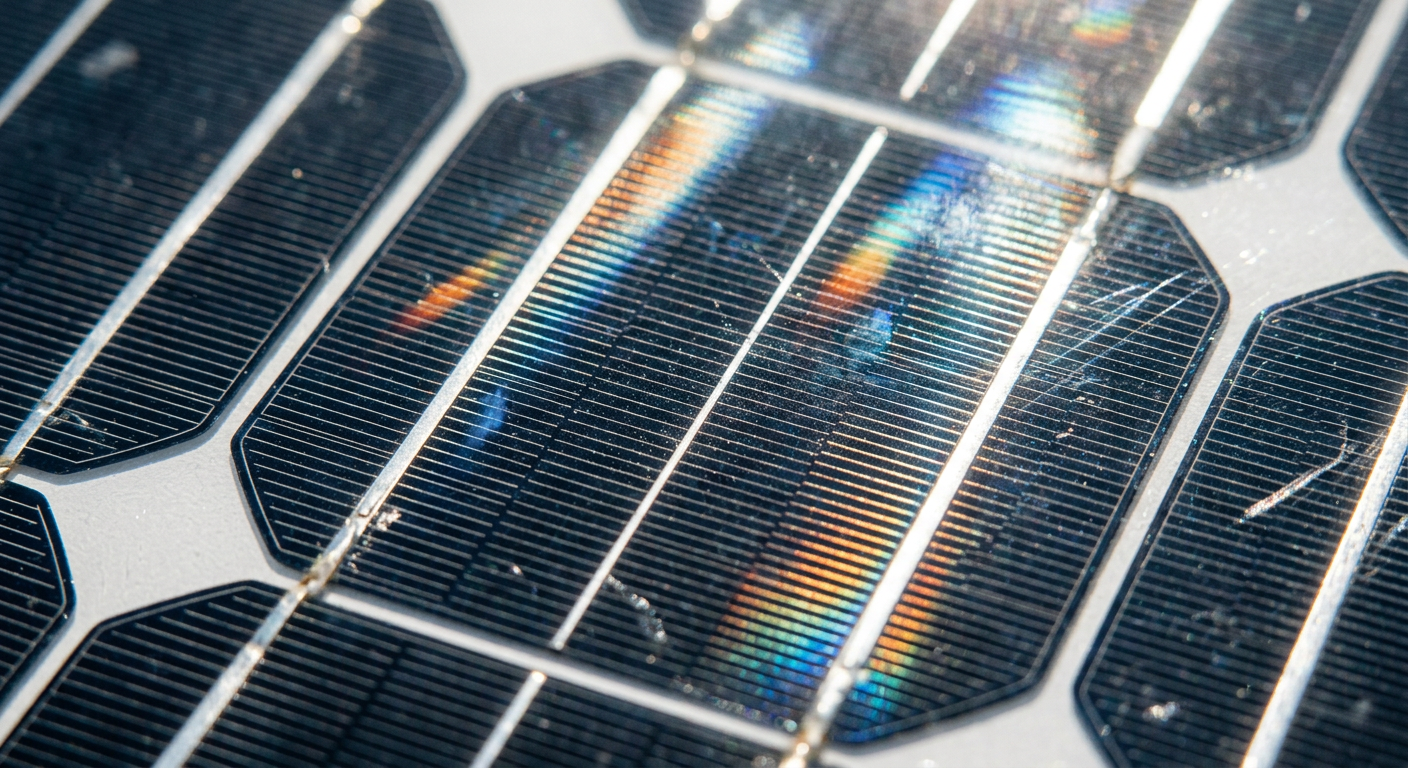
Solar energy is power generated from sunlight. When photons from the sun strike a photovoltaic (PV) cell, they knock electrons loose from silicon atoms, creating an electrical current. This current is captured, converted, and routed into your home to power everything from your refrigerator to your electric vehicle charger.
Solar energy is:
- Renewable — The sun produces enough energy in one hour to power the entire planet for a year. It is not going anywhere for the next five billion years.
- Clean — Solar panels produce zero emissions during operation. A typical residential system offsets 3 to 4 tons of carbon dioxide per year.
- Abundant in Colorado — With approximately 300 days of sunshine annually and high altitude that intensifies solar radiation, our state is among the top ten for solar energy potential.
For a deeper dive into the science, read our guide on How Do Solar Panels Work?.
Is Your Home a Good Candidate for Solar?
Before investing in solar, you need to evaluate whether your home is suitable. Here are the key factors:
Roof Condition and Age
Your roof should be in good condition with at least 10 to 15 years of life remaining. If you need a new roof soon, it is more cost-effective to replace it before installing panels. Solar panels last 25 to 30 years, and removing and reinstalling them for a roof replacement adds unnecessary cost.
Roof Orientation
In the northern hemisphere, south-facing roofs receive the most sunlight throughout the year and produce the most energy. However, east and west-facing roofs are still viable — they typically produce 80 to 85 percent as much as south-facing roofs. North-facing roofs are generally not recommended for solar.
Shading
Trees, neighboring buildings, chimneys, and other obstructions that cast shadows on your roof will reduce solar production. Modern technology like Enphase microinverters minimizes the impact of partial shading, but heavy shade throughout the day is a dealbreaker.
Available Roof Space
A typical residential solar system requires 300 to 600 square feet of unobstructed roof space. Complex roof lines with many dormers, vents, and skylights may limit where panels can be placed.
Energy Consumption
Solar makes the most financial sense for homeowners with moderate to high electric bills — typically $100 or more per month. The higher your current bill, the greater your potential savings.
Homeownership
You need to own your home (or have the authority to make structural improvements) to install solar panels. Renters can explore community solar programs as an alternative.
How Much Do Solar Panels Cost?
The cost of solar depends on system size, equipment quality, and local factors. Here are the current numbers for Colorado in 2026:
| System Size | Gross Cost | After 30% Tax Credit | Monthly Payment (Loan) |
|---|---|---|---|
| 5 kW | $14,000 - $16,000 | $9,800 - $11,200 | $80 - $100 |
| 7 kW | $19,600 - $22,400 | $13,720 - $15,680 | $110 - $135 |
| 10 kW | $28,000 - $32,000 | $19,600 - $22,400 | $155 - $190 |
| 12 kW | $33,600 - $38,400 | $23,520 - $26,880 | $185 - $225 |
These figures include premium equipment, professional installation, permitting, and all interconnection costs. The 30 percent federal Investment Tax Credit (ITC) significantly reduces the net cost.
For Colorado-specific pricing details, read How Much Do Solar Panels Cost in Colorado in 2026?.
Understanding Solar Savings
Solar savings come from multiple sources, and they compound over time:
Reduced Electric Bills
A properly sized system offsets 80 to 100 percent of your annual electricity usage. In Colorado, the average homeowner saves $1,200 to $2,000 per year on electricity — and those savings increase as utility rates rise.
Net Metering Credits
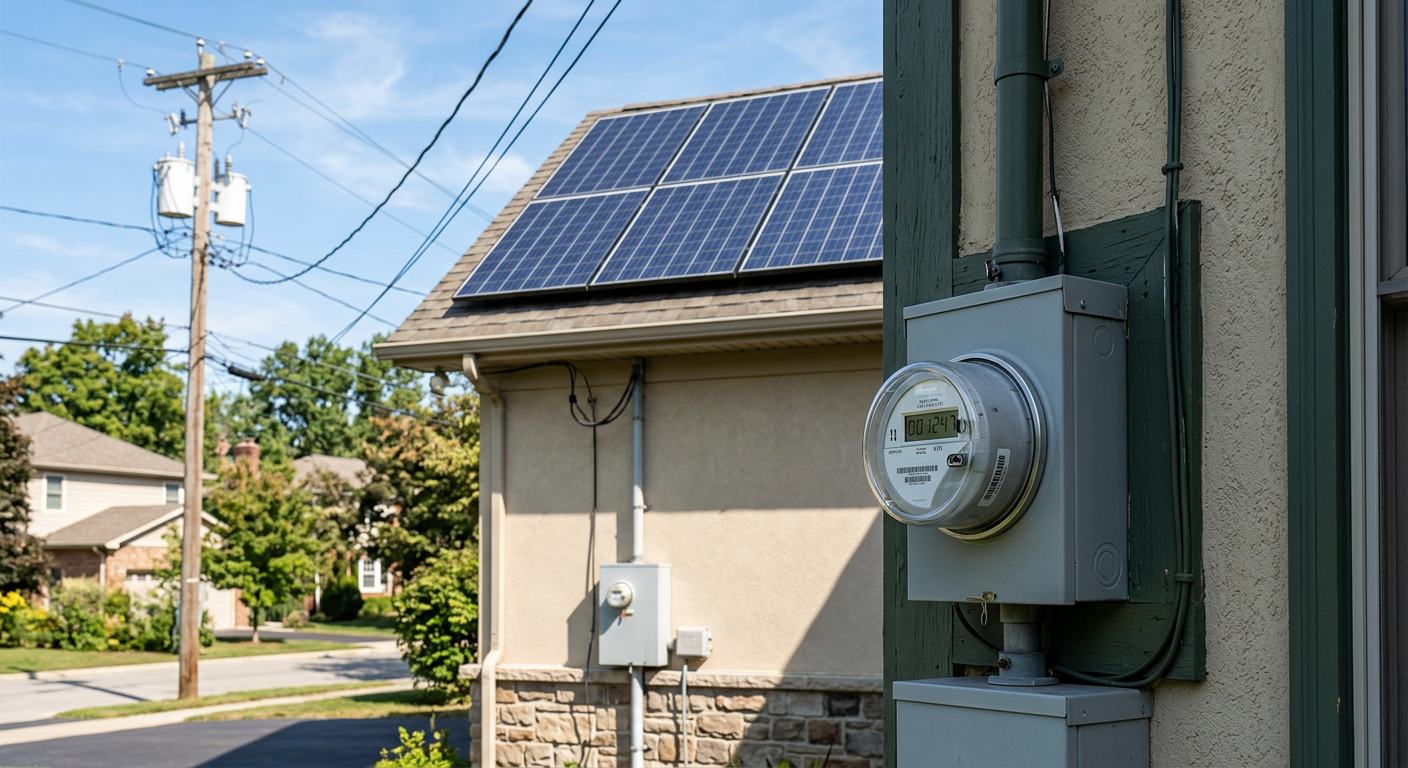
When your panels produce more electricity than you need, the excess flows to the grid and you receive credits from your utility company. These credits offset your consumption during evenings and cloudy periods. Colorado has mandatory net metering for the state's largest utilities.
Learn more about this critical savings mechanism in What Is Net Metering and How Does It Save You Money?.
Federal Tax Credit
The 30 percent federal solar tax credit is a dollar-for-dollar reduction of your federal income tax. On a $22,000 system, that is $6,600 back in your pocket. This credit is available through 2032.
State and Local Incentives
Colorado offers additional incentives including property tax exemptions for solar equipment and various utility rebate programs. See the complete list in our Colorado Solar Incentives Guide.
Increased Home Value
Research from the Lawrence Berkeley National Laboratory shows that solar panels increase home values by an average of $15,000 to $20,000 for a typical residential system. In Colorado's competitive real estate market, solar homes sell faster and for more money.
Solar Financing Options
You do not need tens of thousands of dollars in cash to go solar. Several financing options make solar accessible to virtually any homeowner:
Cash Purchase
Paying cash provides the highest total savings because you avoid interest charges. If you have the capital available, this is the most financially efficient option. Typical payback period in Colorado is 6 to 8 years, after which you enjoy decades of free electricity.
Solar Loans
Solar-specific loans offer competitive interest rates (typically 4 to 7 percent) with terms of 10 to 25 years. Many loans are structured so your monthly payment is less than your current electric bill — meaning you save money from day one. Most solar loans require zero money down.
Solar Leases
With a lease, a third-party company owns the panels on your roof and you pay a fixed monthly fee to use the electricity they produce. The fee is typically 20 to 40 percent less than your current electric bill. The downside is that you do not receive the tax credit or own the system.
Power Purchase Agreements (PPAs)
Similar to leases, a PPA means a company installs and owns the panels, but instead of a fixed fee, you pay a per-kilowatt-hour rate for the electricity produced. The rate is usually lower than your utility's rate.
For a detailed comparison of all options, read Solar Loans vs. Leases vs. PPAs.
Choosing the Right Equipment
The quality of your solar equipment directly impacts performance, longevity, and savings. Here are the key decisions:
Solar Panels
Premium panels from tier-one manufacturers deliver higher efficiency, lower degradation, and longer warranties. At ProGreen Solar, we install panels from industry leaders including:
- REC Alpha — Up to 22.3 percent efficiency with the industry's strongest warranty
- Meyer Burger — Swiss-engineered heterojunction technology with 30-year warranty
- QCell Q.PEAK DUO — Excellent performance-to-value ratio with proven reliability
For our current recommendations, see The Best Solar Panels in 2026.
Inverters
Your inverter choice affects system performance, monitoring capability, and expandability:
- Enphase Microinverters — Best for roofs with multiple orientations or partial shading. 25-year warranty. Industry-leading monitoring.
- SolarEdge Optimizers + Inverter — Best balance of performance and value. Excellent for unshaded roofs.
- SMA Inverters — German-engineered reliability with excellent efficiency ratings.
Read our detailed comparison in Enphase vs. SolarEdge.
Battery Storage (Optional)
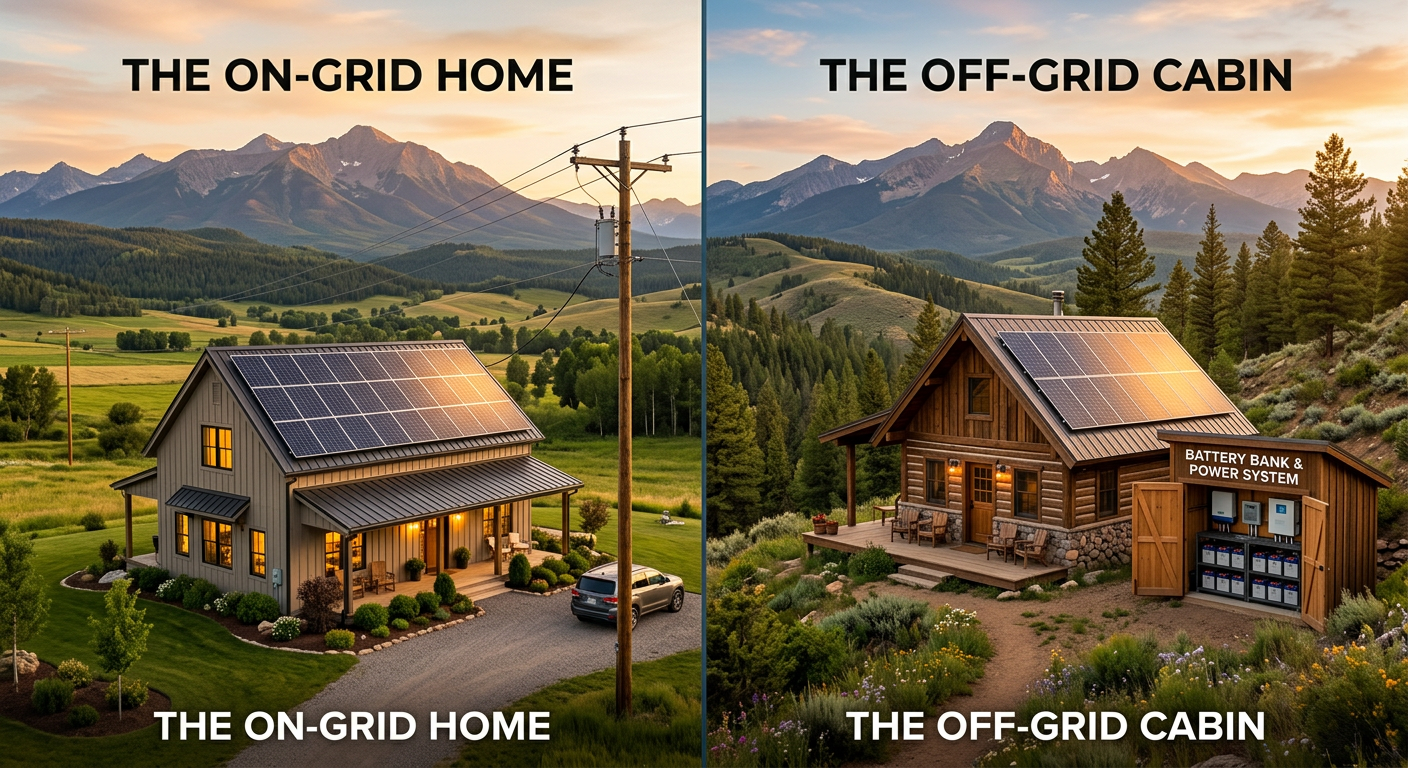
Adding a battery lets you store excess solar energy for use at night or during power outages. Popular options include the Tesla Powerwall 3 (13.5 kWh) and Enphase IQ Battery (3.36 kWh per unit, stackable). Batteries add $8,000 to $15,000 to your system cost but provide energy independence and backup power.
The Installation Process: What to Expect
The journey from initial interest to generating solar electricity typically takes four to eight weeks:
Week 1-2: Consultation and Design
A solar consultant visits your home (or uses satellite imagery) to assess your roof, review your electric bills, and discuss your goals. Engineers then design a system customized for your home, optimizing panel placement for maximum production.
Week 2-3: Proposal Review and Contract
You receive a detailed proposal showing system size, expected production, costs, savings projections, and financing options. Read our guide on How to Read Your Solar Proposal to understand every line item.
Week 3-5: Permitting
Your installer handles all permit applications with your local building department and submits interconnection paperwork to your utility company. This is often the longest wait in the process, and ProGreen Solar manages every step for you.
Week 5-6: Installation
A professional crew arrives and typically completes the installation in one to three days. This includes mounting the racking system, installing panels, wiring the inverter, and connecting to your electrical panel. It is not overly disruptive — there is some noise from drilling, but no interior work is needed in most cases.
Week 6-8: Inspection and Activation
Your local building inspector reviews the installation. Once approved, your utility company installs a bidirectional meter and grants permission to operate. You flip the switch and start generating clean energy.
For a complete walkthrough, read The Complete Solar Installation Process.
Common Solar Myths Debunked
Let us clear up some persistent misconceptions:
"Solar does not work in cold or cloudy climates."
False. Germany, which receives significantly less sunshine than Colorado, was the world's top solar producer for years. Solar panels actually perform more efficiently in cooler temperatures. Colorado's combination of abundant sunshine and moderate temperatures makes it ideal for solar. See Do Solar Panels Work on Cloudy Days? for the full story.
"Solar panels damage your roof."
A quality installation actually protects the portion of your roof underneath the panels from weather and UV degradation. Professional installers use flashed mounting points that seal tighter than the original roof penetrations. At ProGreen Solar, we warranty our roof penetrations.
"Solar is too expensive."
With the 30 percent federal tax credit, Colorado incentives, and $0-down financing options, many homeowners pay less per month for their solar loan than they were paying for electricity. Solar is an investment that pays for itself in 6 to 8 years and then generates free electricity for 20+ additional years.
"I should wait for better technology."
Solar panel efficiency has improved incrementally — about 0.5 percent per year. Meanwhile, electricity rates rise 3 to 4 percent annually, and the federal tax credit is scheduled to decrease after 2032. Waiting costs more in lost savings than it gains in slightly better panels.
"Solar panels require constant maintenance."
Solar panels have no moving parts and require virtually no maintenance. Rain clears most debris. An occasional inspection and cleaning (once or twice per year) is all that is needed. Most systems come with 25-year warranties covering defects and performance.
Environmental Impact
Choosing solar is not just a financial decision — it is an environmental one. A typical 7 kW residential system:
- Offsets 3-4 tons of CO2 per year — equivalent to planting 100 trees annually
- Eliminates 100+ tons of CO2 over its lifetime — equivalent to taking two cars off the road permanently
- Reduces water usage — fossil fuel power plants consume massive amounts of water for cooling; solar uses essentially none
- Produces zero air pollution — no particulate matter, no sulfur dioxide, no nitrogen oxides
By going solar, you are directly contributing to cleaner air in your community and a more sustainable future for your children.
Questions to Ask Your Solar Installer
When you are ready to get quotes, ask these essential questions:
- What equipment do you recommend, and why? A reputable installer should explain the pros and cons of different panels and inverters for your specific situation.
- What is your warranty? Look for a comprehensive warranty covering workmanship (10+ years), panels (25-30 years), and inverters (25 years).
- How much energy will my system produce? Ask for a detailed production estimate based on your roof, not just generic numbers.
- What is included in the price? Ensure the quote covers panels, inverters, racking, wiring, permits, interconnection, and monitoring.
- Do you use subcontractors or in-house crews? In-house installation teams generally provide higher quality and better accountability.
- What happens after installation? Ask about monitoring, maintenance, and who to contact if something goes wrong.
- Can I see customer references? Any reputable installer should happily provide references and direct you to online reviews.
Ready to Get Started?
You now have a solid foundation of solar knowledge. The next step is getting a personalized assessment for your specific home. Every roof is different, every household's energy needs are unique, and a professional evaluation will tell you exactly how much solar can save you.
Use our free solar calculator to get an instant estimate of your potential savings. Or call the ProGreen Solar team directly at (303) 484-1410 to schedule a free consultation. We have helped hundreds of Colorado homeowners make the switch to solar, and we would be honored to help you too.