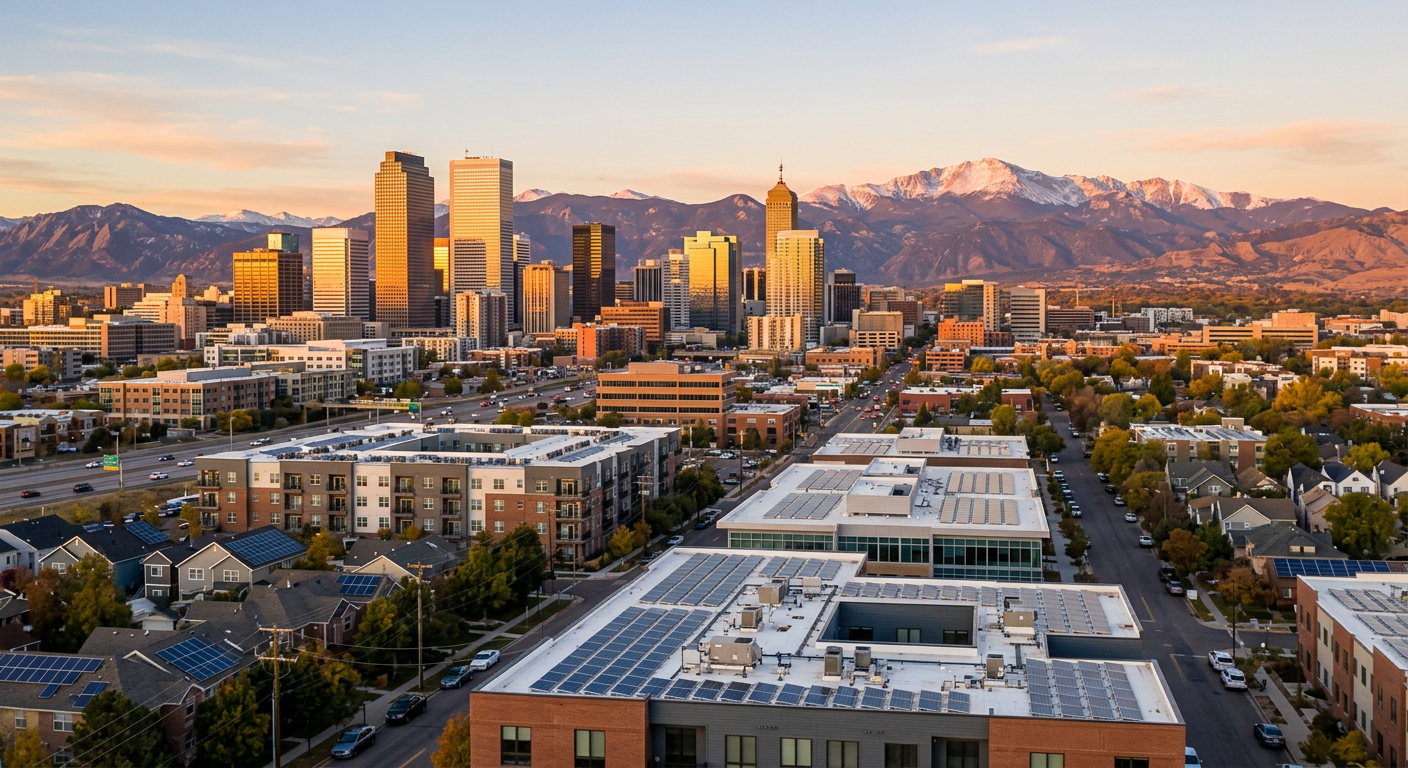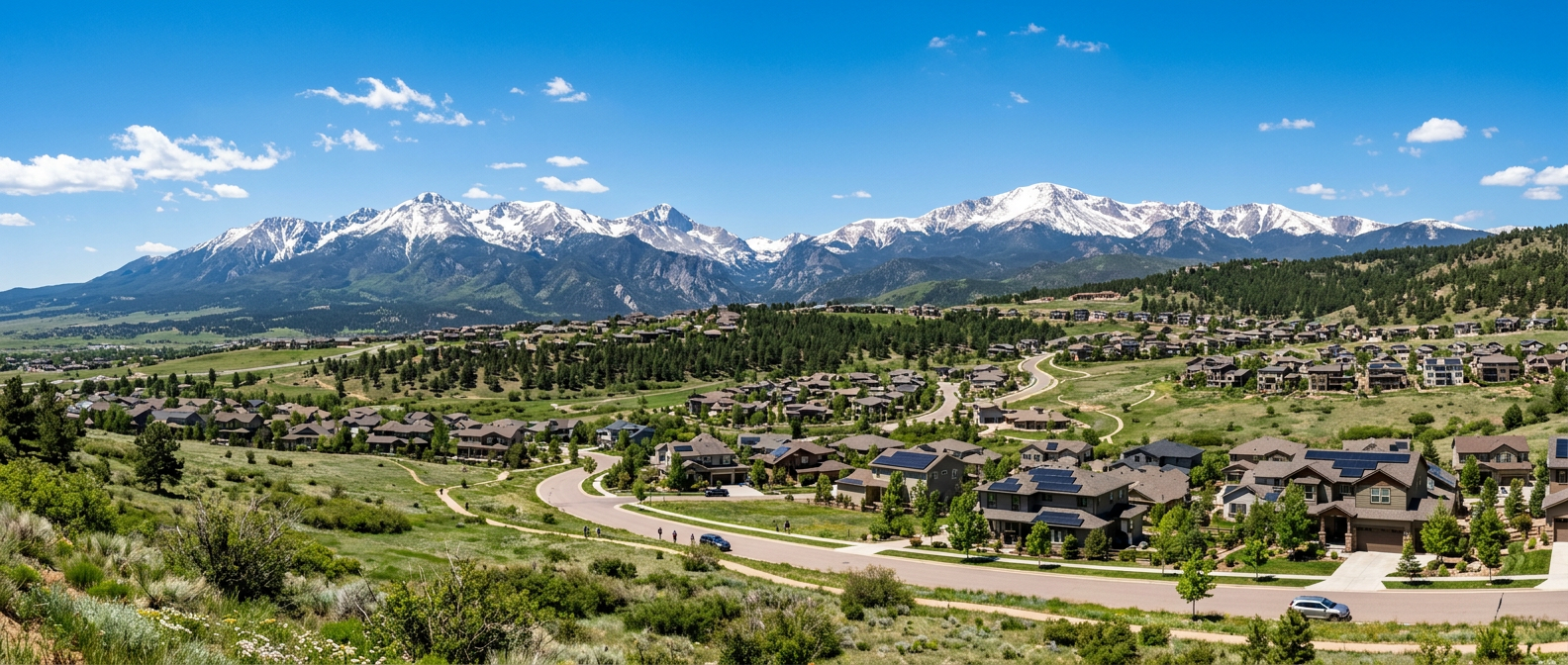
Colorado is one of the best states in the country for residential solar energy. With over 300 days of sunshine per year, strong state incentives, favorable net metering policies, and rising electricity rates, going solar in Colorado makes both environmental and financial sense for most homeowners.
This guide covers every aspect of going solar in Colorado — from the state's solar resource to costs, incentives, utility policies, installer selection, and equipment recommendations. Whether you are just starting to research solar or ready to get quotes, this is your comprehensive reference.
Colorado's Solar Resource
Sunshine and Irradiance
Colorado ranks among the top ten states for solar irradiance — the amount of solar energy reaching the ground per unit area. The state's position at high altitude and relatively southern latitude creates exceptional conditions for solar power generation.
Key solar resource statistics for Colorado:
- Average peak sun hours: 5.5 to 6.5 hours per day (varies by location)
- Denver average: 5.87 peak sun hours per day
- Colorado Springs average: 5.93 peak sun hours per day
- Annual solar irradiance: 5.0 to 6.5 kWh/m²/day (Global Horizontal Irradiance)
- Ranking: Top 10 nationally for solar irradiance
For context, the national average is about 4.5 peak sun hours per day, meaning Colorado gets 20 to 40 percent more usable solar energy than the typical U.S. location.
The Altitude Advantage
Colorado's high elevation — Denver sits at 5,280 feet, and many mountain communities are above 8,000 feet — provides a distinct solar advantage. At higher altitudes, there is less atmosphere between the sun and your panels, meaning:
- More intense solar radiation — roughly 2 percent more irradiance per 1,000 feet of elevation
- Cooler ambient temperatures at altitude improve panel efficiency (solar panels produce more in cooler conditions)
- More UV radiation — panels capture a broader spectrum of light
For a detailed analysis of how altitude and climate affect solar production, see our article on solar panel performance in Colorado's climate.
Seasonal Production Patterns
Colorado's solar production varies seasonally:
- Peak months: May, June, and July (longest days, most intense sun)
- Strong months: March, April, August, September (still excellent production)
- Moderate months: October, February (shorter days but clear skies)
- Lowest months: November, December, January (shortest days, but Colorado's clear winter skies still produce significantly)
A well-designed system in Colorado typically produces about 75 percent of its annual energy during the six months from March through August. Even in December, the lowest production month, Colorado systems produce meaningful energy on clear days. See our article on how much electricity solar panels produce for production calculations.
Solar Costs in Colorado
System Cost
The average cost of a residential solar system in Colorado in 2026 ranges from $2.50 to $3.25 per watt before incentives. For a typical 8 to 10 kW system, here is what to expect:
| System Size | Cost Before Incentives | After 30% Tax Credit |
|---|---|---|
| 6 kW | $15,000-$19,500 | $10,500-$13,650 |
| 8 kW | $20,000-$26,000 | $14,000-$18,200 |
| 10 kW | $25,000-$32,500 | $17,500-$22,750 |
| 12 kW | $30,000-$39,000 | $21,000-$27,300 |
These costs include equipment (panels, inverter, racking), labor, permitting, and interconnection. Premium equipment (high-efficiency panels like REC Alpha, Enphase microinverters, battery storage) pushes costs toward the higher end of the range.
For a detailed cost breakdown, see our Colorado solar panel cost guide.
Cost Per Kilowatt-Hour
The levelized cost of solar electricity in Colorado works out to approximately $0.05 to $0.08 per kWh over a 25-year system life. Compare that to the current average residential electricity rate of $0.14 to $0.17 per kWh from Xcel Energy. Solar electricity costs roughly half of what grid electricity costs — and the solar cost is fixed while grid rates continue to rise.
Financing Options
Colorado homeowners have several ways to pay for solar:
- Cash purchase: Highest long-term savings, immediate ownership
- Solar loans: $0 down, own the system from day one, typical rates of 4-8% APR
- Leases/PPAs: No upfront cost, but lower total savings and less flexibility
For a complete comparison, read our solar loans vs. leases vs. PPAs guide and our analysis of zero-down solar options.
Colorado Solar Incentives
Federal Solar Investment Tax Credit (ITC)
The federal ITC provides a 30 percent tax credit on the total cost of your solar installation, including equipment, labor, and permitting. This is the single largest incentive available and applies regardless of which state you live in.
For a $28,000 system, the 30 percent credit equals $8,400 off your federal taxes. The credit is available through 2032 at 30 percent, then steps down to 26 percent in 2033 and 22 percent in 2034.
For full details, see our federal solar tax credit guide.
Colorado State Tax Incentives
Colorado does not currently offer a state solar tax credit, but the state sales tax exemption on renewable energy equipment is significant:
- Sales tax exemption: Solar equipment is exempt from Colorado's state sales tax (2.9%). Many Colorado municipalities exempt solar from local sales tax as well, for a combined exemption of 4 to 10 percent.
- Property tax exemption: Colorado exempts the added home value from a solar installation from property taxes. Your home's value increases, but your property taxes do not.
Utility Rebates and Programs
Several Colorado utilities offer additional incentives:
- Xcel Energy: Has historically offered solar rebate programs, though current rebate levels vary. Check Xcel's current offerings during your consultation.
- Colorado Springs Utilities: Offers a solar rebate program for customers within their service territory.
- Municipal utilities: Some municipal electric utilities offer additional rebates or incentive programs.
For a comprehensive list of current incentives, see our Colorado solar incentives guide.
Net Metering in Colorado
Net metering is the policy that determines how you are credited for excess solar energy you send to the grid. Colorado has favorable net metering rules, though they vary by utility.
How Net Metering Works
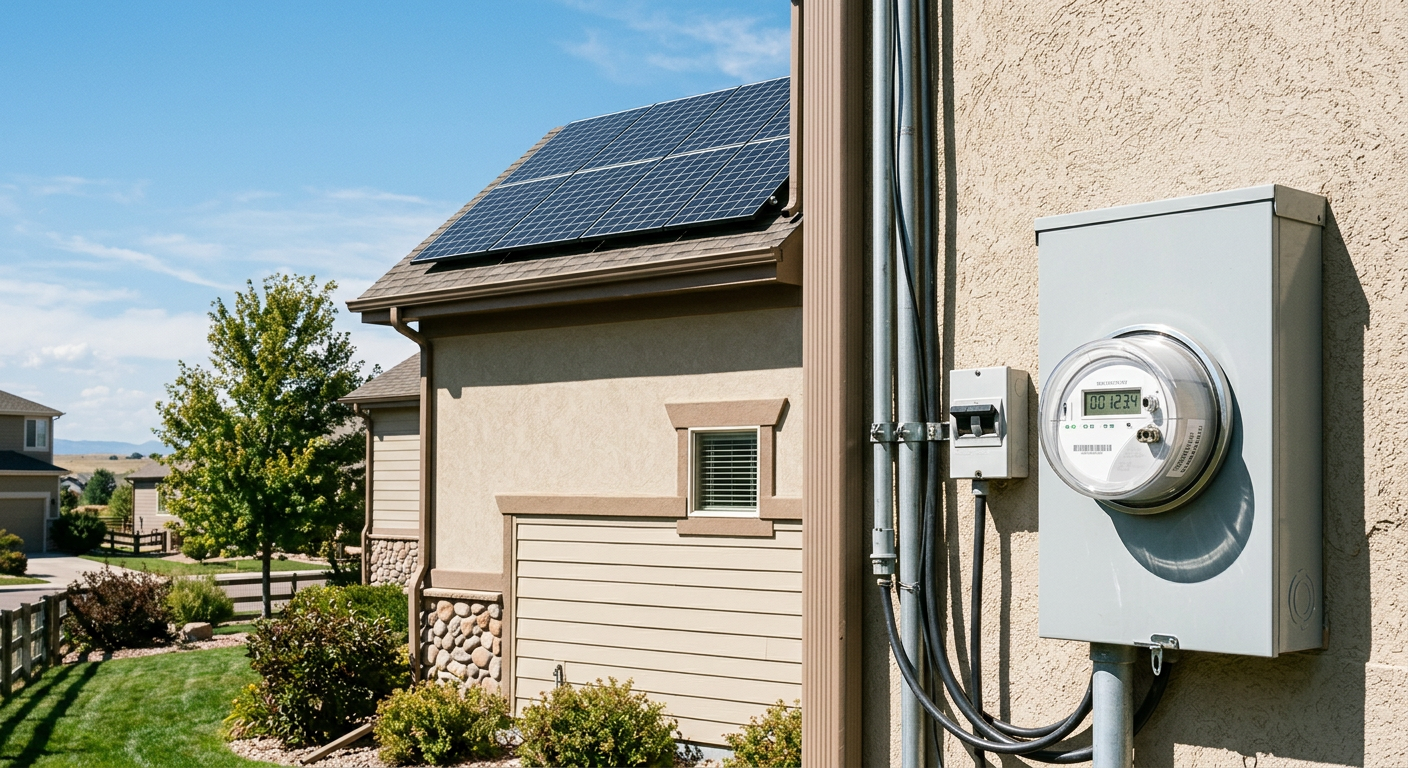
When your solar panels produce more electricity than your home uses (typically midday), the excess flows to the grid. Your meter tracks this export. When you need more electricity than your panels produce (nighttime, cloudy days), you draw from the grid. Net metering credits your exports against your imports.
Xcel Energy Net Metering
Xcel Energy, serving most of the Denver metro area and Front Range, offers net metering with the following key policies:
- Full retail credit for excess generation up to 120% of your annual usage
- Monthly rollover of excess credits
- Annual true-up in April, when excess credits are paid out at a lower avoided-cost rate
- Time-of-use option available, where solar credits earned during peak hours are worth more
For complete details, read our Xcel Energy net metering guide.
Other Utility Policies
- Colorado Springs Utilities: Net metering available with some capacity limits
- Holy Cross Energy: Favorable net metering for Western Slope customers
- United Power: Net metering available for cooperative members
- IREA (Intermountain Rural Electric Association): Net metering with system size limits
Choosing a Solar Installer in Colorado
The installer you choose matters as much as the equipment. A quality installer ensures proper system design, clean installation, code compliance, and reliable long-term support.
What to Look For
- NABCEP certification: The gold standard for solar installer credentials
- Years in business: Look for at least 5 years of operation in Colorado
- Local presence: A Colorado-based company with a physical office
- Warranty coverage: Both manufacturer warranties and workmanship warranty
- Manufacturer certifications: Certified by brands like Tesla, Enphase, or SolarEdge
- Financing options: Multiple payment and financing choices
- Customer reviews: Strong ratings on Google, BBB, and EnergySage
For a detailed guide to choosing the right installer, see our article on best solar companies in Colorado.
Why ProGreen Solar
ProGreen Solar is a locally owned Colorado installer serving the Front Range from Fort Collins to Colorado Springs. We are an Enphase Platinum Installer and Tesla Certified Installer, and we offer:
- NABCEP-certified design and installation teams
- 25-year workmanship warranty
- In-house installation (no subcontractors)
- Both Enphase and Tesla product lines
- Transparent pricing with no hidden fees
Best Solar Panels for Colorado
Colorado's combination of high altitude, intense sun, wide temperature swings, and hail risk creates specific panel requirements:
Efficiency Matters at Altitude
Colorado's intense solar radiation means high-efficiency panels capture more energy per square foot. Panels with 21+ percent efficiency are worth the investment, especially on space-constrained roofs. See our solar panel efficiency guide for details.
Temperature Coefficient
With summer panel temperatures routinely exceeding 65 degrees C, a low temperature coefficient is valuable. Panels with HJT cells (like REC Alpha) excel here. Read about HJT technology for more.
Hail Resistance
Colorado's hail season runs from May through September. All quality solar panels meet IEC 61215 standards (1-inch hail at 52 mph), and many exceed this requirement. For Colorado specifically, we recommend panels with enhanced hail testing. See our hail and solar panels guide.
Our Top Panel Picks for Colorado
For our detailed rankings and recommendations, see our best solar panels in 2026 guide.
Colorado's Renewable Energy Standards
Colorado has set aggressive renewable energy targets:
- 100 percent clean energy by 2040 for Xcel Energy (the state's largest utility)
- Greenhouse Gas Pollution Reduction Roadmap targeting 50 percent reduction by 2030 and 90 percent by 2050
These policies create a favorable environment for solar adoption and suggest continued strong incentive programs. For details, see our article on Colorado's renewable energy standards.
Common Questions About Colorado Solar
Does Solar Work in Winter?
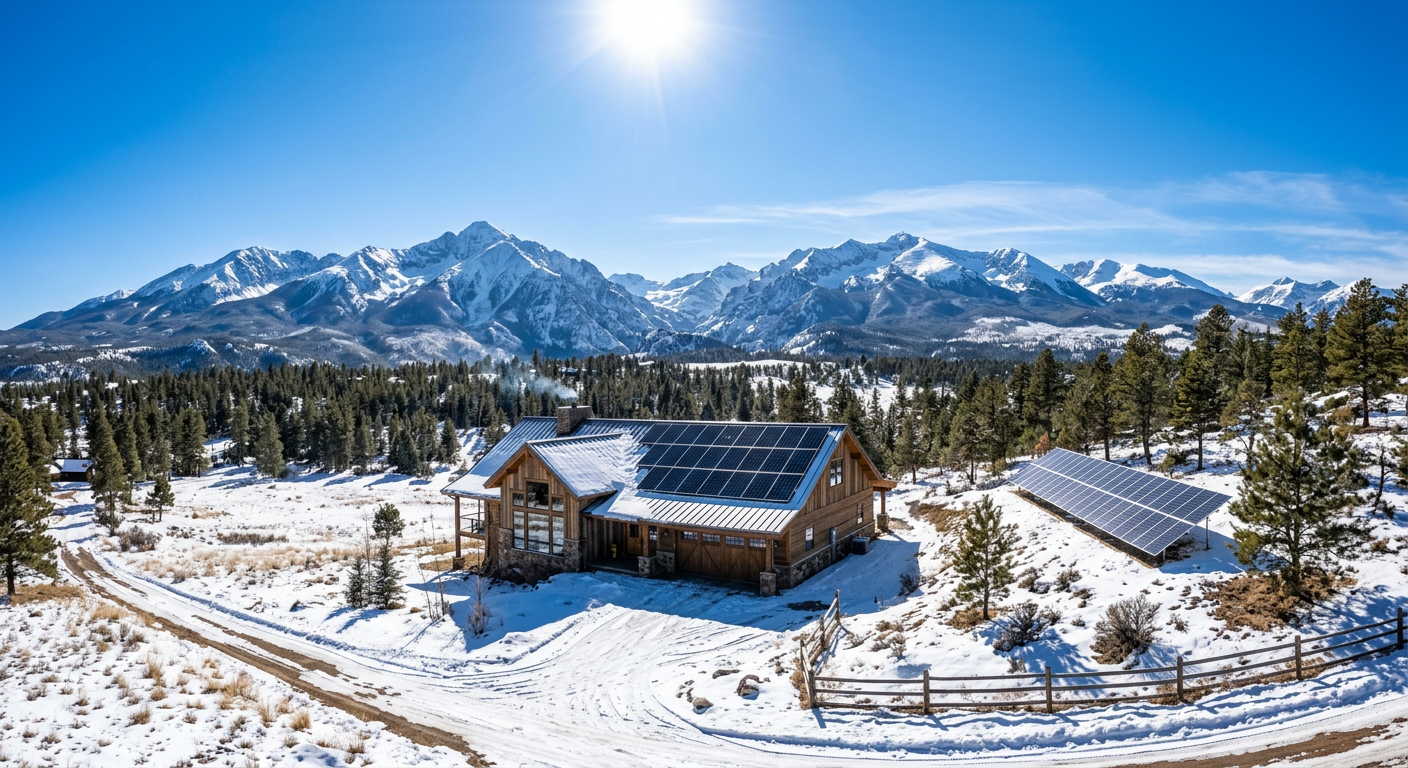
Yes. Colorado's clear winter skies produce significant solar energy even when days are shorter. Snow typically slides off panels within a day or two, and the cold temperatures actually improve panel efficiency. Year-round, Colorado solar systems produce more than systems in many states with longer summers but cloudier skies. See our articles on solar panels on cloudy days and solar panels at night.
How Long Does Installation Take?
The physical installation typically takes one to three days. However, the full timeline from signing a contract to system activation is usually six to twelve weeks, including permitting (two to four weeks), installation (one to three days), and utility interconnection (two to six weeks). See our solar installation process guide.
Will Solar Increase My Home Value?
Yes. Studies consistently show that solar increases home value by $15,000 to $25,000 for a typical system. In Colorado, the added value is exempt from property taxes. Read our detailed analysis in solar and home value.
Is Solar Worth It in Colorado?
For most homeowners, yes. The combination of excellent solar resource, strong incentives, and rising electricity rates creates compelling economics. The average payback period is 7 to 10 years, with 25+ years of production after that. See our comprehensive analysis in is solar worth it.
Regional Guides
For location-specific information:
- Solar for Denver Homes — Denver-specific data, incentives, and neighborhoods
- Solar for Colorado Springs — Colorado Springs Utilities policies, military benefits, and local considerations
Start Your Colorado Solar Journey
Colorado's exceptional solar conditions make it one of the smartest states for going solar. Use our solar calculator to estimate your system size, costs, and savings based on your specific address and energy usage. Or call ProGreen Solar at (303) 484-1410 for a free, no-pressure consultation. We serve homeowners across the Colorado Front Range and would love to help you make an informed decision about solar energy for your home.