It is a perfectly logical question: if solar panels need sunlight, what happens when the sun goes down? Does your house go dark? Do you lose power every night? The answer is straightforward and reassuring — solar homeowners have reliable electricity around the clock, and most barely notice the transition from solar to other power sources.
Here is everything you need to know about how solar energy works after dark.
Solar Panels at Night: The Simple Truth
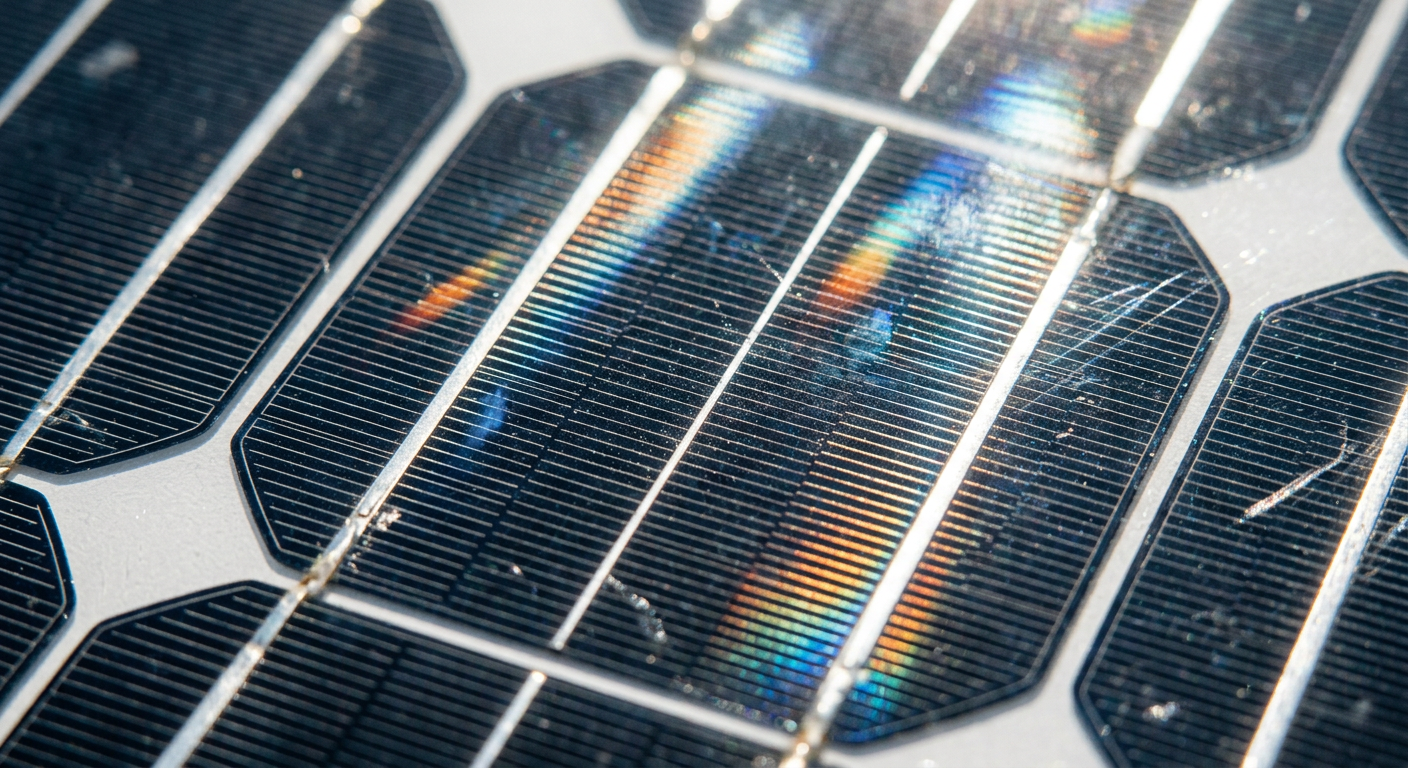
Solar panels require light to generate electricity. At night, with no sunlight hitting the photovoltaic cells, panels produce zero electricity. They sit quietly on your roof, waiting for dawn.
But this does not mean your home loses power. Depending on your system configuration, you have two reliable methods to keep the lights on:
- The electrical grid (via net metering credits)
- Battery storage (using energy stored during the day)
Most solar homes use one or both of these strategies to maintain uninterrupted power 24 hours a day, 365 days a year.
Option 1: Net Metering — Using the Grid as Your Battery
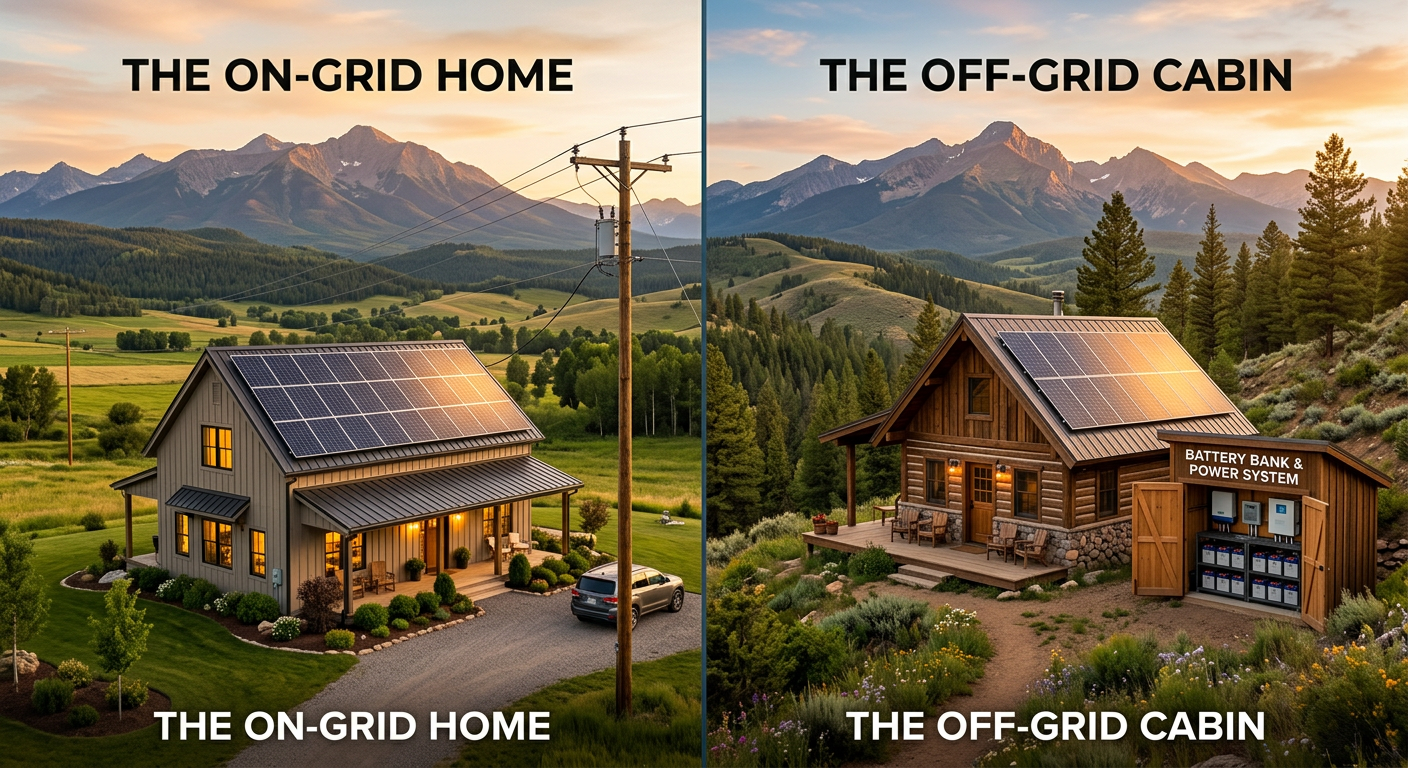
The vast majority of residential solar systems in Colorado are grid-tied, meaning they are connected to the utility grid. Through net metering, your system effectively uses the grid as a free, unlimited battery.
Here is the daily cycle:
Daytime Overproduction
During peak sunlight hours (roughly 10 AM to 3 PM), your panels typically produce far more electricity than your home is consuming. A 7 kW system might generate 5 kW of power while your home only draws 1.5 kW. The surplus 3.5 kW flows to the grid, and your utility meter records these exported kilowatt-hours as credits.
Evening Transition
As the sun drops toward the horizon, your panel output decreases while your household consumption increases — you are cooking dinner, running the dishwasher, turning on lights, and charging devices. At some point (typically between 5 and 7 PM in Colorado, depending on the season), your consumption exceeds your production, and you begin drawing from the grid.
Nighttime Consumption
From sunset to sunrise, your home runs entirely on grid electricity. Your panels are dormant. But the credits you accumulated during the day directly offset this nighttime consumption.
The Monthly Balance
At the end of the billing period, your utility calculates the net: total exported minus total imported. On months with strong solar production (April through September), you often export more than you import, building up a credit bank. On shorter winter days, you may consume more than you produce, drawing down those credits.
The result for most Colorado solar homeowners: an annual electric bill that consists of little more than the minimum grid connection charge — typically $10 to $15 per month.
Option 2: Battery Storage — True Energy Independence
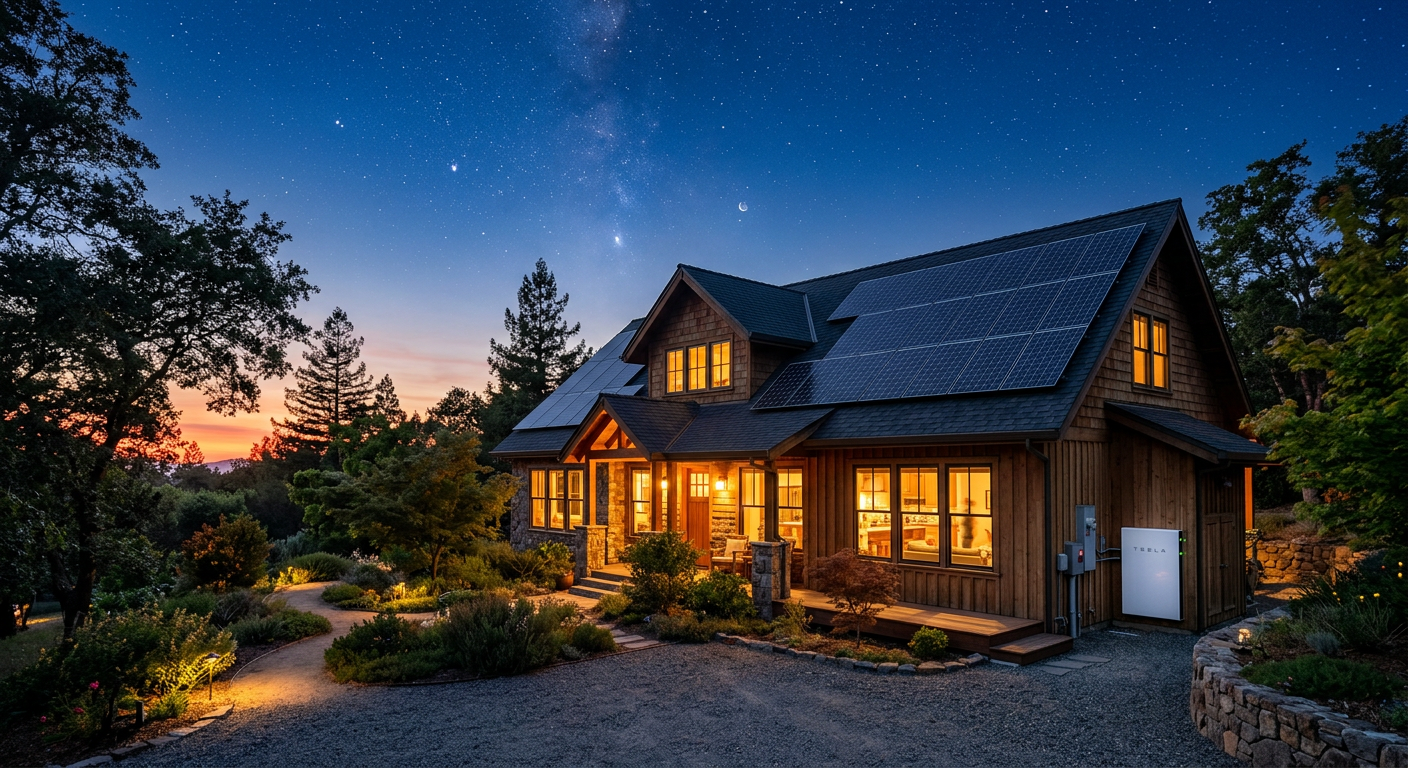
For homeowners who want to use their own solar electricity at night rather than drawing from the grid, battery storage is the answer. A home battery system stores excess daytime solar energy and releases it after dark.
How Battery Storage Works at Night
During the day: Your solar panels charge your battery while simultaneously powering your home and exporting any remaining surplus to the grid.
In the evening: As solar production drops, your battery automatically begins discharging, powering your home with stored solar energy. Your home continues running on clean, self-generated electricity even after sunset.
Overnight: The battery continues providing power until it reaches its minimum charge level (typically 10 to 20 percent reserve). If you have a large enough battery, it can cover your entire overnight consumption. If it depletes before sunrise, you seamlessly switch to grid power for the remaining hours.
At dawn: Your panels begin producing again, powering your home and recharging the battery for the next night cycle.
Battery Sizing for Nighttime Coverage
The average Colorado home consumes roughly 10 to 15 kWh between sunset and sunrise. Here is how popular battery options stack up:
| Battery | Usable Capacity | Overnight Coverage |
|---|---|---|
| Tesla Powerwall 3 | 13.5 kWh | 90 - 135% of overnight needs |
| Enphase IQ Battery 5P (x2) | 10.08 kWh | 67 - 100% of overnight needs |
| Enphase IQ Battery 5P (x3) | 15.12 kWh | 100 - 150% of overnight needs |
| SolarEdge Home Battery (10 kWh) | 9.7 kWh | 65 - 97% of overnight needs |
A single Tesla Powerwall 3 can cover the overnight needs of most Colorado homes. Larger homes or those with electric vehicles may benefit from two units or a larger battery bank.
The Added Benefit: Outage Protection
Unlike net metering, which requires the grid to be operational, batteries provide power during grid outages. When the grid goes down, your battery system automatically disconnects from the grid and forms a "microgrid" for your home. Your panels continue charging the battery during the day, and the battery powers essential loads at night. You maintain power indefinitely as long as the sun shines the next day.
This outage protection is increasingly valuable in Colorado, where extreme weather events can cause power disruptions lasting hours or days. For more on this topic, read our Grid-Tied vs. Off-Grid Solar comparison.
Why Nighttime Matters Less Than You Think
New solar customers often overestimate the importance of nighttime production. Here is some perspective:
Most Electricity Is Used During Daylight Hours
For many households, the largest electricity consumers — HVAC, cooking, laundry, and general activity — peak during daytime and early evening hours when solar is producing or has just finished producing. Nighttime consumption is typically just the basics: refrigerator, standby loads, HVAC overnight cycling, and a few hours of evening lighting.
Net Metering Makes Timing Irrelevant
With net metering, it does not matter when you produce versus when you consume. A kilowatt-hour exported at noon is worth the same as a kilowatt-hour imported at midnight. Your annual production and consumption are what matter, not the hour-by-hour alignment.
Your System Is Designed for the Full Day
When ProGreen Solar designs your system, we size it based on your total annual consumption — day and night combined. The production estimate already accounts for nighttime hours when panels are not producing. There are no hidden gaps.
Can Solar Panels Generate Electricity from Moonlight?
Technically, moonlight is reflected sunlight, and solar panels can convert it into electricity. But the amount is negligible — moonlight is approximately 500,000 times weaker than direct sunlight. A full moon might generate a few milliwatts from a panel rated at 400 watts. That is enough to power approximately one LED in a nightlight, not enough to be practically useful.
Similarly, streetlights and other artificial light sources can create tiny amounts of electricity in panels, but the output is so small as to be unmeasurable in any practical sense.
The Future: Night Solar Research
Scientists are exploring concepts that could eventually allow solar-like electricity generation at night:
Thermoradiative Cells
Researchers at Stanford University have developed prototypes of "anti-solar panels" that generate electricity from the temperature difference between the panel and the night sky. As heat radiates from the panel into the cold sky, a thermoradiative cell can capture a small amount of energy. Current prototypes produce about 50 milliwatts per square meter — a tiny fraction of daytime solar production, but the technology is in its infancy.
Advanced Infrared Capture
Some researchers are developing cells that can capture infrared radiation emitted by the Earth at night. While promising in theory, these technologies are decades away from commercial viability.
For the foreseeable future, net metering and battery storage remain the practical solutions for nighttime power, and they work exceptionally well.
The Economics: Net Metering vs. Battery
For purely nighttime power coverage (not outage protection), net metering is the more cost-effective solution. The grid is essentially a free battery with unlimited capacity, zero degradation, and no maintenance costs.
Batteries make financial sense when:
- You need backup power during outages
- Your utility uses time-of-use rates with expensive evening peaks
- You want maximum energy independence
- You anticipate less favorable future net metering policies
For most Colorado homeowners, we recommend starting with a grid-tied system and net metering. If your utility transitions to time-of-use rates, or if backup power becomes a priority, you can add a battery later — modern systems are designed for seamless battery retrofit.
Smart Habits for Nighttime Energy
While net metering handles the financial equation, you can maximize the value of your solar system with a few smart habits:
Shift Heavy Loads to Daytime
Run your dishwasher, washing machine, dryer, and other high-consumption appliances during peak solar hours. This increases self-consumption (using solar electricity directly) and reduces the amount you need to draw from the grid or battery at night.
Use Smart Thermostats
Pre-cool (or pre-heat) your home during peak solar production hours so your HVAC system runs less at night. Smart thermostats like Nest or Ecobee can automate this schedule.
Charge Devices During the Day
Plug in laptops, tablets, phones, and rechargeable devices during daytime hours when your panels are producing free electricity.
Program Your EV for Daytime Charging
If you have an electric vehicle and a home charger, set it to charge during peak solar hours rather than overnight. If that is not possible due to your schedule, evening charging still benefits from net metering credits earned during the day.
The Bottom Line
Nighttime is not a limitation for solar homeowners — it is a solved problem. Between net metering and battery storage, you have reliable, cost-effective options to power your home around the clock. Colorado's grid-tied solar systems with net metering provide seamless 24/7 electricity at a fraction of the cost of grid-only power.
Ready to see how solar can power your home day and night? Get your free estimate or call ProGreen Solar at (303) 484-1410. We will design a system that covers your full energy needs — every hour of every day.