The Tesla Powerwall has become synonymous with home battery storage, and for good reason. Since its introduction in 2015, Tesla has shipped over 500,000 Powerwalls worldwide, making it the best-selling residential battery system on the market. But popularity does not automatically mean it is the best choice for every homeowner.
As a Tesla Certified Installer in Colorado, ProGreen Solar has installed hundreds of Powerwall systems. We have seen how they perform through Colorado's intense hailstorms, winter cold snaps, and everything in between. This review is based on real-world installation experience, not just marketing specifications.
Tesla Powerwall 3: What Has Changed
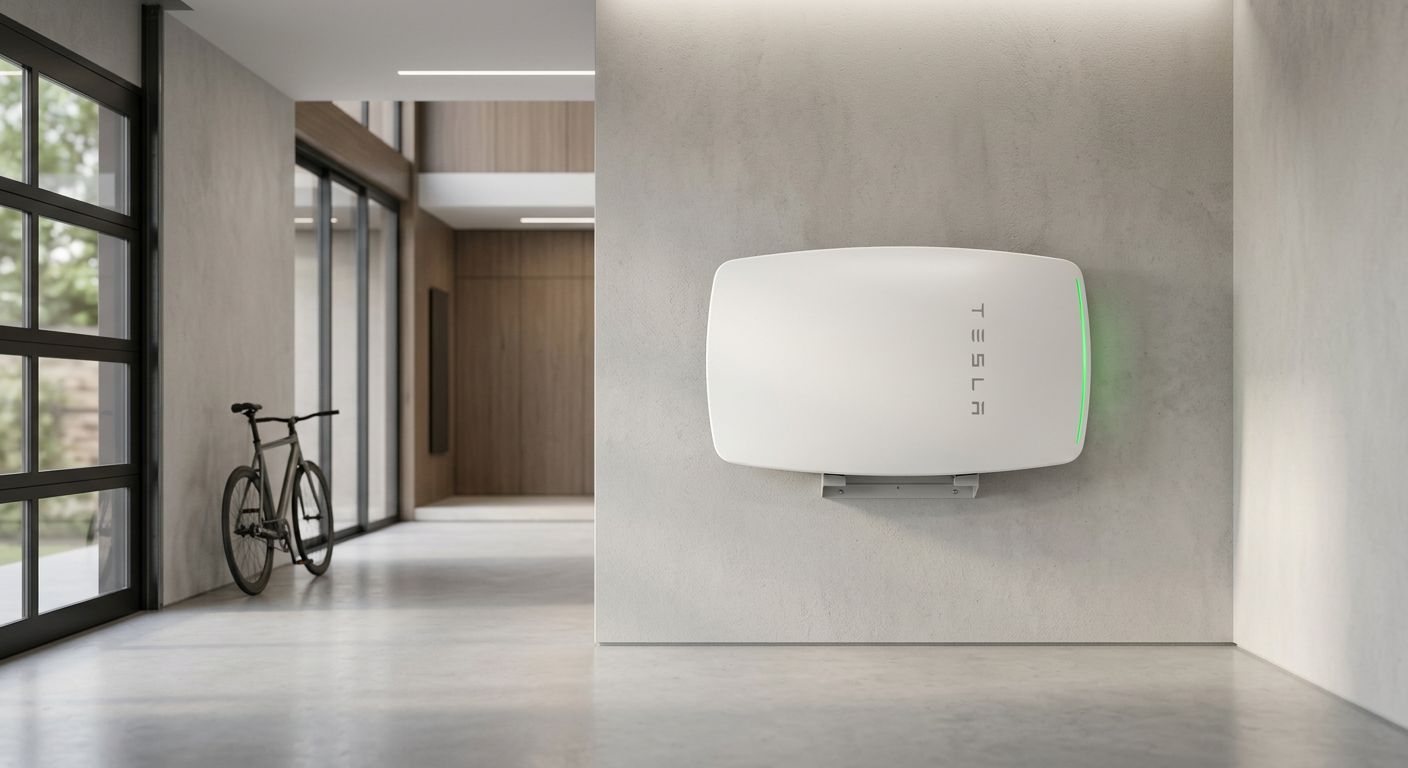
The Powerwall 3 represents a significant evolution from the Powerwall 2. Tesla integrated the solar inverter directly into the battery unit, eliminating the need for a separate inverter. This changes the product from a pure battery into an all-in-one solar and storage solution.
Key Specifications
Here is what the Powerwall 3 delivers on paper:
- Usable capacity: 13.5 kWh per unit
- Continuous power output: 11.5 kW (a massive jump from Powerwall 2's 5 kW)
- Peak power output: 185 amps at 240V
- Built-in solar inverter: 11.5 kW capacity, supporting up to 20 kW of solar input
- Round-trip efficiency: 97.5 percent (DC to battery to DC)
- Dimensions: 43.25 x 24 x 7.6 inches
- Weight: 287 pounds
- Operating temperature range: -4 to 122 degrees Fahrenheit
- Warranty: 10 years with unlimited cycles
The most notable improvement is the continuous power output. At 11.5 kW, a single Powerwall 3 can run most homes without issue, including air conditioning, electric ranges, and even EV chargers simultaneously. The Powerwall 2 often required two units to handle similar loads.
Cost Breakdown
The Tesla Powerwall 3 typically costs between $12,000 and $15,000 installed. Here is how that breaks down:
- Hardware cost: $9,200 to $11,000 for the Powerwall 3 unit
- Gateway and electrical components: $1,000 to $1,500
- Installation labor: $2,000 to $3,500
- Permitting and inspection fees: $300 to $600
When bundled with a new solar installation, the cost is often lower because installation crews can handle electrical work for both systems simultaneously. At ProGreen Solar, we typically see bundled installations come in at the lower end of this range.
Tax Credit Impact
The federal solar tax credit applies to battery storage systems installed alongside solar panels. At the current 30 percent rate, a $13,000 Powerwall installation yields a $3,900 tax credit, bringing the effective cost down to $9,100. Starting in 2025, standalone batteries (without solar) also qualify for the 30 percent credit under the Inflation Reduction Act.
Installation Process
Installing a Powerwall 3 is somewhat different from installing the Powerwall 2 because of the integrated inverter. Here is what to expect:
Site Assessment
Our installation team evaluates your electrical panel, available wall space (or ground pad location), internet connectivity, and solar array configuration. The Powerwall 3 can be mounted indoors or outdoors, on a wall or floor-mounted.
Electrical Work
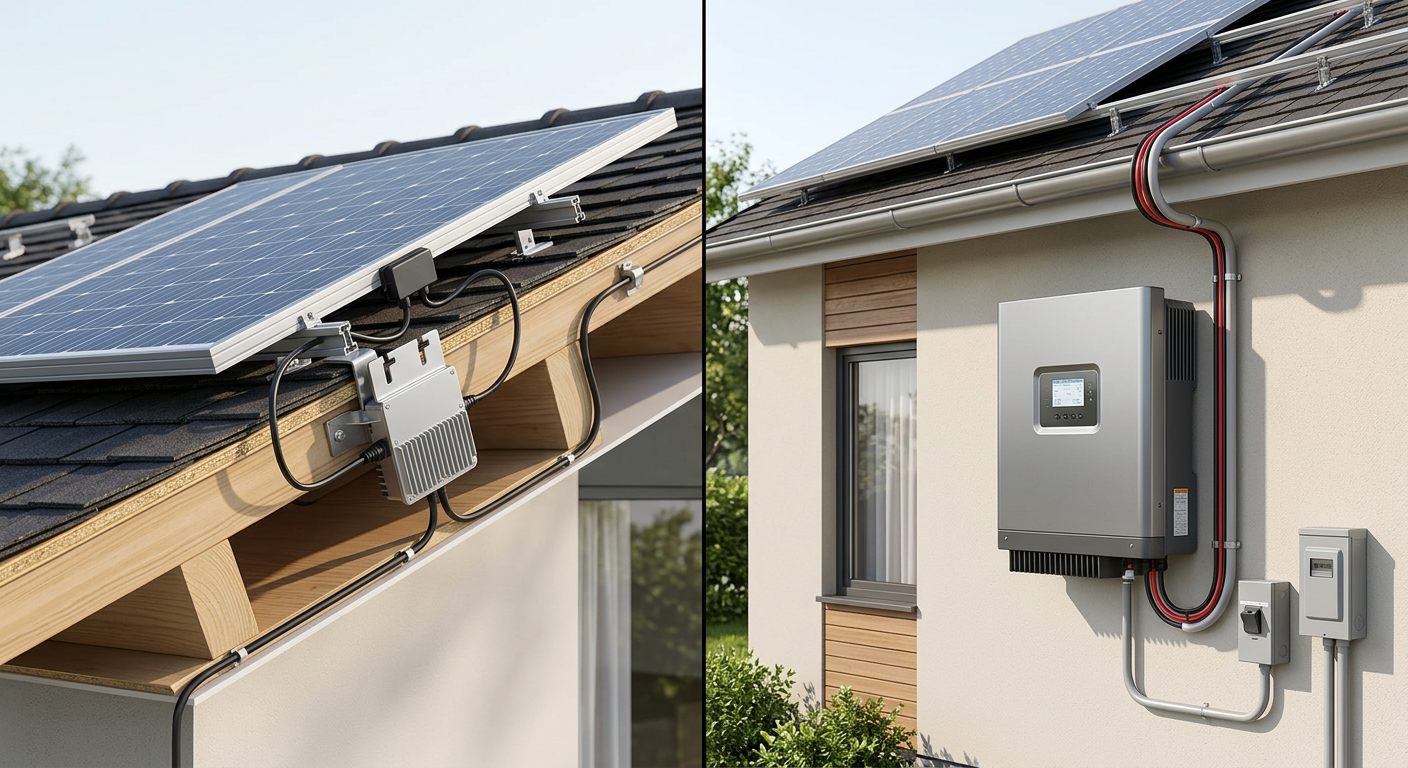
The Powerwall 3's integrated inverter means your solar panels connect directly to the Powerwall rather than to a separate inverter. The Powerwall then sends AC power to your main electrical panel. This simplifies wiring but requires careful planning for wire runs between the roof and battery location.
A Tesla Backup Gateway manages the transition between grid-connected and backup modes. It also provides energy monitoring for your entire home.
Timeline
Most Powerwall installations take one to two days for the physical work, followed by utility inspection and interconnection approval, which adds two to six weeks depending on your utility. For Xcel Energy customers in Colorado, the interconnection process typically takes three to four weeks.
Real-World Performance
Specifications tell part of the story. Here is what we have observed across our Colorado installations:
Backup Duration
A single Powerwall 3 with 13.5 kWh of capacity provides roughly 10 to 14 hours of backup for an average Colorado home, assuming moderate electrical usage without running heavy loads like air conditioning or electric heating. During a winter outage, expect closer to 8 hours if you are running a gas furnace fan and basic loads.
With solar panels continuing to charge the Powerwall during the day, many of our customers have run their homes indefinitely during multi-day outages. During the December 2024 winter storm that knocked out power in parts of the Front Range for over 48 hours, our Powerwall customers with adequately sized solar systems maintained power throughout.
Energy Shifting Performance
For customers using time-of-use rates, the Powerwall's Storm Watch and energy scheduling features work well. The system learns your usage patterns and optimizes charging and discharging to minimize your electricity costs. We have seen customers reduce their peak-rate energy purchases by 70 to 85 percent.
Temperature Performance
Colorado's temperature extremes test battery systems. The Powerwall 3 includes active liquid cooling and heating, which maintains optimal battery temperature from well below zero to over 100 degrees Fahrenheit. We have not seen meaningful performance degradation in our Colorado installations, even during cold snaps that dropped below minus 10 degrees.
App and Monitoring
The Tesla app provides real-time monitoring of solar production, battery charge level, home consumption, and grid import/export. The interface is clean and intuitive. You can see exactly where your energy is going at any moment, and the historical data helps you understand your consumption patterns.
One feature worth noting is Storm Watch, which automatically charges the Powerwall to 100 percent when severe weather is forecast. This has proven valuable for Colorado's unpredictable storm season.
Pros and Cons
What We Like
High continuous power output. At 11.5 kW, the Powerwall 3 handles heavy loads that would trip the Powerwall 2. Running your air conditioner, oven, and dryer simultaneously during an outage is now feasible with a single unit.
Integrated inverter simplifies installation. Fewer components mean fewer potential failure points and a cleaner installation. It also reduces total system cost when installing solar and battery together.
Excellent app experience. Tesla's software is consistently among the best in the industry. Real-time monitoring, energy scheduling, and remote diagnostics work reliably.
Unlimited cycle warranty. Some competitors limit the number of charge-discharge cycles. Tesla does not, which matters for customers who cycle their battery daily for energy arbitrage.
Scalability. You can install up to four Powerwall 3 units for 54 kWh of total storage and 46 kW of continuous power. For more on sizing, see our whole-home vs. partial backup guide.
What We Do Not Like
Availability constraints. Tesla's supply chain can be unpredictable. Lead times have ranged from two weeks to several months depending on production schedules. We maintain inventory when possible, but availability is not always guaranteed.
Proprietary ecosystem. The Powerwall 3's integrated inverter means you are committed to Tesla's inverter technology. If you want to use Enphase microinverters or SolarEdge optimizers, you need the Powerwall 2 (if still available) or a different battery.
No generator integration. Unlike some competitors, the Powerwall does not natively integrate with backup generators. If you want both battery and generator backup, the configuration is more complex.
Service and support. Tesla's customer service reputation has been inconsistent. As a certified installer, ProGreen Solar handles warranty claims and troubleshooting directly, which helps mitigate this concern for our customers.
How It Compares
The Powerwall's main competitors are the Enphase IQ Battery, the Generac PWRcell, and the SolarEdge Home Battery. Here is a quick comparison:
| Feature | Powerwall 3 | Enphase IQ 5P | Generac PWRcell | SolarEdge |
|---|---|---|---|---|
| Usable capacity | 13.5 kWh | 5 kWh (per unit) | 9-18 kWh | 9.7 kWh |
| Continuous power | 11.5 kW | 3.84 kW (per unit) | 9 kW | 5 kW |
| Warranty | 10 years | 15 years | 10 years | 10 years |
| Integrated inverter | Yes | No | No | No |
| Price (installed) | $12,000-$15,000 | $5,000-$6,500 each | $10,000-$20,000 | $10,000-$14,000 |
For a detailed comparison with Enphase, see our Powerwall vs. Enphase IQ Battery article. For a broader look at all options, read our home battery storage guide.
Who Should Buy a Tesla Powerwall?
The Powerwall 3 makes the most sense for homeowners who:
- Want whole-home backup. The 11.5 kW continuous output means you can run your entire home, not just essential circuits. This is the Powerwall's biggest advantage.
- Are installing a new solar system. The integrated inverter reduces total system cost and complexity when bundled with solar panels.
- Want a clean, integrated experience. If you value a polished app, seamless automation, and a recognizable brand, Tesla delivers.
- Have high electricity consumption. Homes with electric vehicles, heat pumps, or high usage benefit from the Powerwall's high power output.
The Powerwall 3 may not be the best choice if:
- You want modular, scalable storage. Enphase's approach of adding 5 kWh units incrementally offers more flexibility. See our Enphase IQ8 review for details.
- You already have a non-Tesla inverter. The Powerwall 3's integrated inverter means replacing your existing inverter. The Powerwall 2 was inverter-agnostic, but it is being phased out.
- Budget is the primary concern. At $12,000+, the Powerwall is a significant investment. Read our analysis of whether you need a solar battery to determine if the investment makes sense for your situation.
ProGreen Solar: Your Tesla Certified Installer
As a Tesla Certified Installer serving the Colorado Front Range, ProGreen Solar provides expert Powerwall design, installation, and ongoing support. Our team has completed hundreds of Powerwall installations and handles all warranty service directly.
We also install Enphase battery systems and can help you determine which solution best fits your home, budget, and energy goals. Our recommendations are based on your specific needs, not brand loyalty.
The Bottom Line
The Tesla Powerwall 3 is the most capable single-unit home battery on the market. Its 11.5 kW continuous power output sets it apart from every competitor, and the integrated inverter simplifies new solar installations. At $12,000 to $15,000 before tax credits, it is a significant investment, but for homeowners who want reliable whole-home backup and have the budget, it delivers.
The 30 percent federal tax credit brings the effective cost down to $8,400 to $10,500, which improves the value proposition considerably. For Colorado homeowners facing increasing wildfire-related power shutoffs and severe storm outages, backup power is becoming less of a luxury and more of a necessity.
Ready to find out if a Tesla Powerwall makes sense for your home? Use our solar calculator to estimate your system size and savings, or call our team at (303) 484-1410 for a free consultation. We will design a solar-plus-storage system tailored to your home's energy needs and your budget.